
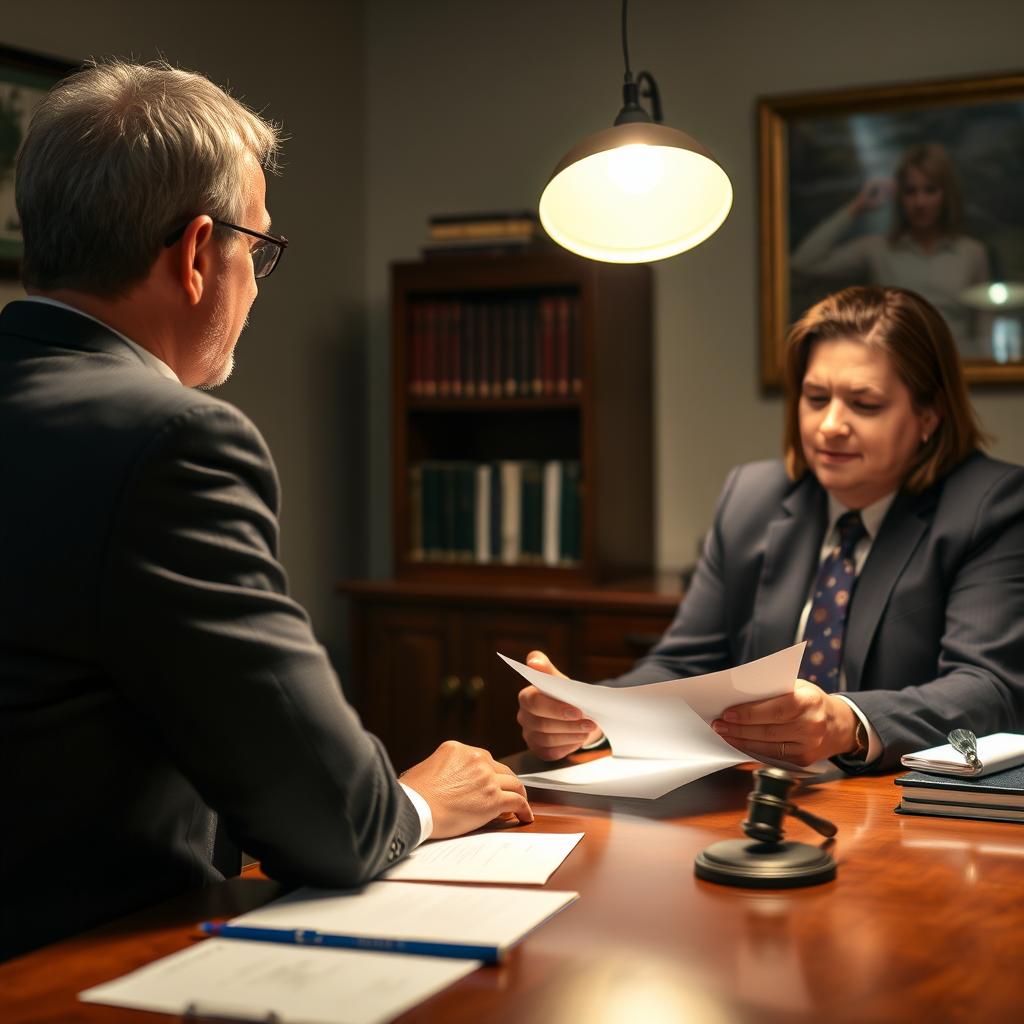
What happens at a DUI arraignment in Putnam County
You were driving on the Taconic State Parkway or Route 9 in Putnam County when a police officer pulled you over. You were charged with driving under the influence and given a date to appear in court. That first court appearance—the arraignment—leaves many people anxious because they do not know what to expect. At the arraignment the judge will read the charges against you, you will enter a plea, and the court will address bail and set future dates. Having an experienced attorney at your side can help you understand the process and make informed decisions. Reach Law Offices Of SRIS, P.C. at (888) 437-7747 to request a consultation about your DUI case in Putnam County. Law Offices Of SRIS, P.C. – Advocacy Without Borders.
What you can expect at the arraignment
When you appear at your arraignment in Putnam County, the proceeding is fairly procedural. The judge will first inform you of the specific charges—whether a misdemeanor driving while intoxicated (DWI), a felony DWI, or a lesser impaired-driving offense. You will then be asked to enter a plea: guilty, not guilty, or no contest. If you plead not guilty, the case moves forward to pretrial conferences and eventually a trial. The judge will also review bail or release conditions and may impose conditions such as an order to refrain from driving or to install an ignition interlock device. Your next court date will be set, usually for a pretrial conference. The arraignment is not the trial itself, so no evidence is presented, and the facts of your case are not argued.
The specific court where you appear depends on the nature of the charge. Misdemeanor DUI charges are typically handled in the local justice court of the town where the arrest occurred, such as Carmel Town Court, Kent Town Court, or Putnam Valley Justice Court. Felony DWI cases are arraigned in Putnam County Court at the county courthouse in Carmel. An attorney who is familiar with the local courts can help you navigate the procedural steps.
Your options after the arrest and before the arraignment
Between the arrest and the arraignment you have time to take steps that can affect the course of your case. The most important decision is choosing a DUI defense attorney. An attorney can review the police reports, ensure your rights were respected, and help you understand what plea might be appropriate. You can also gather any documents that might help your defense, such as receipts, witness information, or records of a medical condition. If you believe the police made an error—for example, the traffic stop lacked reasonable suspicion or the breath test was administered incorrectly—your attorney may raise those issues early.
In the days before the arraignment it is also wise to avoid any further legal trouble and to comply with any conditions the police or court may have imposed, such as appear at the courthouse on time. Appearing at the arraignment is mandatory; if you do not appear, the judge may issue a bench warrant for your arrest.
What follows the arraignment
After you plead not guilty, the court will schedule a pretrial conference. This is where your attorney and the prosecutor discuss the case, exchange evidence, and potentially negotiate a resolution. Many DUI cases are resolved without a trial through plea agreements. In some instances, if the evidence is weak or the police violated your constitutional rights, your attorney may file a motion to suppress evidence or to dismiss the charges. If no agreement is reached, the case will proceed to trial. Throughout this process, your attorney will keep you informed and advise you on the trusted course of action.
You may also be required to attend a hearing with the New York Department of Motor Vehicles if your license was suspended at the arraignment or if you refused a chemical test. Your attorney can assist with that separate administrative proceeding as well.
A look at DUI penalties in New York
In New York, a DUI conviction can lead to a range of consequences. For a first-offense misdemeanor DWI, penalties may include a fine, a term of probation or jail, community service, mandatory attendance at a Victim Impact Panel, and participation in the Drinking Driver Program. The court can also order the installation of an ignition interlock device in your vehicle. Your driver’s license may be revoked for a period set by law. If you are convicted of a felony DWI—for a second offense within ten years or a DWI involving a child passenger—the penalties become significantly more severe, with a longer license revocation and a potential state prison sentence. An attorney can explain how these possible penalties apply to your specific circumstances and work to achieve the most favorable outcome.
About Mr. Sris and his Of Counsel team
Mr. Sris, Owner and Founder of Law Offices Of SRIS, P.C., is a former prosecutor who has practiced since 1997. He is admitted in Virginia, Maryland, the District of Columbia, New Jersey, and New York. Mr. Sris testified before the Virginia House Courts of Justice Committee in support of 2019 HB 635 (chief patron Del. David Bulova). He and his Of Counsel bring extensive combined legal experience. Results may vary.
Mr. Sris and his Of Counsel team represent individuals facing DUI charges in Putnam County and throughout New York. They work to protect your rights, challenge the evidence against you, and guide you through each stage of the criminal process. To request a consultation, call (888) 437-7747.
Frequently Asked Questions about DUI arraignments in Putnam County
Do I need a lawyer at my DUI arraignment?
Yes, having an attorney at your arraignment is strongly recommended. An attorney can advise you on what plea to enter, argue for reasonable bail conditions, and identify immediate legal issues that may benefit your case. Even though the arraignment is a procedural hearing, the decisions made there—especially your plea and release terms—can have a lasting impact on your case. If you cannot afford an attorney, the court will advise you of your right to a public defender. For a consultation with an experienced DUI attorney, call (888) 437-7747.
What if I plead not guilty at the arraignment?
If you plead not guilty, your case will be scheduled for a pretrial conference. The prosecutor must then provide the evidence against you, and your attorney can begin negotiating or preparing motions. You retain the right to change your plea later if a favorable resolution is reached. Pleading not guilty preserves all of your legal options while your attorney investigates the strength of the government’s case.
Can my DUI charge be dismissed at the arraignment?
Dismissal at the arraignment is rare, but it can happen if there is a clear legal defect. For example, if the criminal complaint is insufficient on its face, your attorney may move for dismissal. More typically, dismissal occurs later, after your attorney files a motion to suppress evidence or after the prosecutor realizes the case is too weak to prove beyond a reasonable doubt. An attorney can assess whether your case has any immediate grounds for dismissal.
Will my license be suspended at the arraignment?
Your license may be suspended at the arraignment if the court orders it, but it is not automatic. In New York, an administrative license suspension can occur if you refused a chemical test, but that is a separate DMV proceeding. The judge at the arraignment has the authority to suspend your driving privileges as a condition of release, especially if there are prior DUI convictions. Your attorney can argue against a suspension or seek a limited driving privilege for work or school.
What happens if I miss my DUI arraignment in Putnam County?
If you miss your arraignment, the judge will likely issue a bench warrant for your arrest. The warrant authorizes law enforcement to take you into custody and bring you before the court. Your absence also suggests to the court that you are not taking the charges seriously, which can harm your ability to negotiate a favorable resolution later. If you realize you will miss your arraignment, contact your attorney immediately to attempt to reschedule.
How long does a DUI arraignment take?
A DUI arraignment usually lasts only a few minutes when it is your turn before the judge. However, you may need to wait for your case to be called among many other cases on the court’s calendar. The proceeding itself is brief: charges are read, a plea is entered, and the next date is set. Plan to spend a morning or afternoon at the courthouse, depending on the court’s schedule. Your attorney can give you a better estimate for your specific court.
Can I change the court assigned to my DUI case?
Generally, the venue is set by the location of the offense, but in some circumstances your attorney may request a change of venue. If you believe you cannot receive a fair trial in the original court because of pretrial publicity or other prejudice, your attorney can file a motion for a change of venue. This is a complex request that requires a strong showing. In the vast majority of cases, the case remains in the court where the arrest occurred.
What should I bring to my DUI arraignment?
Bring the ticket or summons you received, a form of identification, and any paperwork from the police. You should also bring proof of any bail or bond you have already posted, and a list of any medications or medical conditions that might be relevant. Your attorney will have gathered most of the necessary legal documents, but having your own copy of everything you received from law enforcement is helpful. Dress professionally and arrive early.
What is the difference between DWI, DWAI, and DUI in New York?
In New York, “DUI” is a general term often used interchangeably with “DWI,” but the law distinguishes among several offenses. DWI relates to a blood alcohol concentration of 0.08% or higher or impairment by alcohol. DWAI (Driving While Ability Impaired) covers a lower level of alcohol impairment (BAC between 0.05% and 0.07%) and is a traffic infraction, not a crime. DWAI-Drugs relates to impairment by drugs. The specific charge affects the potential penalties and how your case is handled. Your attorney can explain the exact charges you face.
How do I find a DUI lawyer in Putnam County?
Look for an attorney who is licensed in New York, regularly appears in Putnam County courts, and has experience with DUI defense. You can start by calling Law Offices Of SRIS, P.C. at (888) 437-7747. Mr. Sris and his Of Counsel have extensive experience in criminal defense and traffic matters. They are admitted in New York and represent clients in Putnam County and throughout the Hudson Valley. A consultation can help you understand your options and decide how to proceed.
For more information about traffic and DUI representation in other New York counties:
To request a consultation with a DUI attorney who represents clients in Putnam County, call Law Offices Of SRIS, P.C. at (888) 437-7747. By appointment only. Do not face the court alone—reach our firm today.
For a full statutory breakdown of New York DWI laws, see our comprehensive analysis at https://srislawyer.com/traffic-lawyer/.
Attorney advertising. Prior results do not guarantee a similar outcome. Case results depend on a variety of factors unique to each case. Results may vary.