
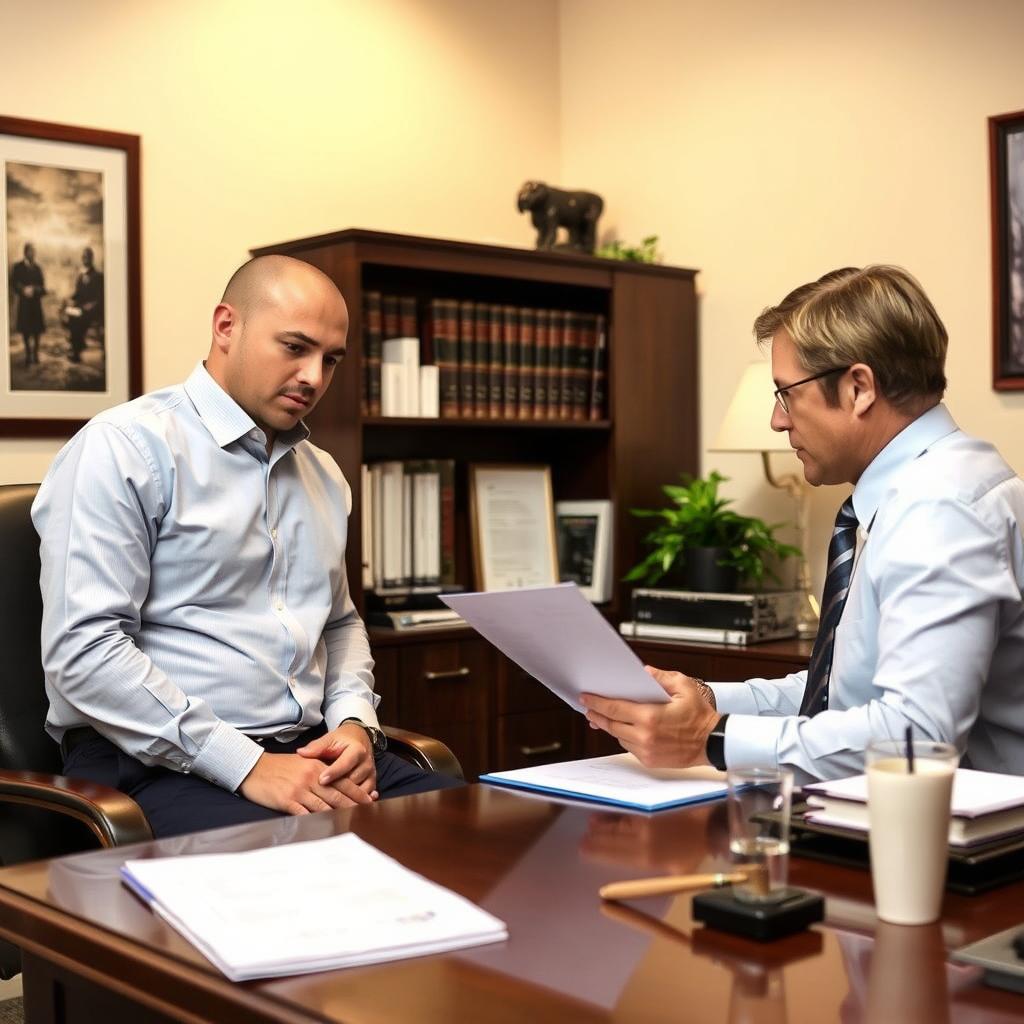
What happens at a DUI arraignment in Dutchess County
You were driving on the Taconic State Parkway when a police stop led to a DUI charge. Now you have a court date at one of the Dutchess County Justice Courts and you are not sure what to expect. The first court appearance – the arraignment – is a critical step that sets the course for your entire case. At the arraignment, the judge formally tells you the charge, asks for your plea, and addresses whether you will be released or held on bail. Mr. Sris and his Of Counsel team at Law Offices Of SRIS, P.C. Guide clients through these proceedings, ensuring you understand each stage. For an appointment, reach our New York location at (888) 437-7747.
Direct Answer: What Happens at a DUI Arraignment in Dutchess County
At a DUI arraignment in a Dutchess County court, you appear before a local town or village justice. The judge reads the charges against you, typically under New York Vehicle and Traffic Law § 1192, and asks you to enter a plea of guilty, not guilty, or no contest. If you do not have an attorney, the court will ask whether you intend to hire one or request a public defender. The judge also considers whether to set bail, release you on your own recognizance, or impose conditions like suspending your driver’s license pending the outcome. This appearance usually happens within a few days to a few weeks after arrest, depending on the court calendar. The arraignment is not the trial; it is the starting point of the judicial process.
Under New York law, a DUI charge may be brought when a person operates a motor vehicle with a blood alcohol concentration of 0.08% or higher, or while their ability to drive is impaired by alcohol or drugs.
Source: N.Y. Veh. & Traf. Law § 1192. N.Y. Senate legislation
Reviewed by Mr. Sris, admitted in VA/MD/DC/NJ/NY.
Frequently Asked Questions
What happens at a DUI arraignment in Dutchess County if I show up without a lawyer?
The judge will ask whether you intend to hire an attorney or apply for a public defender. If you plead not guilty, the court will usually adjourn the case for a few weeks to allow you time to retain counsel. You should not represent yourself; a DUI conviction carries serious consequences including fines, license suspension, and potential jail time. The judge will explain your rights and may ask about your financial situation if you request a public defender. It is safest to bring an experienced attorney with you.
What plea should I enter at the arraignment?
You should almost always plead not guilty. Pleading not guilty preserves your right to challenge the evidence, negotiate with the prosecutor, and go to trial. Even if you believe you were driving after drinking, a not guilty plea allows your attorney to investigate the stop, the sobriety testing, and the BAC evidence. A guilty plea at arraignment waives those rights and can lead to immediate sentencing. The judge cannot force you to plead guilty.
Will I be taken into custody at the arraignment?
In most first-time DUI cases, the judge releases you on your own recognizance. Unless there are aggravating factors – a prior record, a high BAC, an accident with injuries, or a failure to appear – you will likely be allowed to return home after the arraignment. The judge may impose conditions such as not driving without a valid license, submitting to alcohol testing, or checking in with a pretrial services agency. Bail is set only when the court believes you might not return to court or pose a danger to the community.
Can a DUI charge be reduced or dismissed in Dutchess County?
Yes, DUI charges are routinely reduced to a lesser offense such as driving while ability impaired (DWAI) or resolved through plea bargaining. Local prosecutors sometimes agree to a reduction if the BAC was borderline, the officer’s reports have gaps, or the defendant has no prior record. An attorney can identify such defenses and negotiate on your behalf. Dismissals are possible when the traffic stop or chemical test was unlawful. Each case depends on its own facts. Mr. Sris and his Of Counsel team can evaluate whether a reduction is achievable in your situation.
How long will my DUI case take in Dutchess County?
The timeline varies by court and by the complexity of the case. After the arraignment, if you plead not guilty, the case moves to the discovery and pretrial motion stage. Motions to suppress evidence can add several months. A typical contested DUI case may resolve in three to six months, but some take a year or more. The Dutchess County courts handle a heavy caseload, so patience is needed. Your attorney can give you a realistic schedule after reviewing the specifics of your matter.
What should I bring to my DUI arraignment?
Bring your notice of appearance, any paperwork the police gave you, and identification. Have a valid photo ID, and if you were issued a desk appearance ticket, that must be presented. If you have an attorney, they will handle the paperwork and speak for you. Dress appropriately; the judge observes your demeanor. If you cannot afford an attorney, bring financial documents to support your request for a public defender. Also note the court’s address and your hearing time. Arrive early.
What happens if I miss my DUI arraignment in Dutchess County?
A bench warrant will likely be issued for your arrest. The court considers a missed appearance a failure to respond to a criminal summons. You could be arrested at any time and brought before the judge, possibly with bail set. This makes your situation much worse and can lead to additional charges. If you realize you missed the date, contact your attorney immediately. We may be able to get the warrant vacated and get your case back on track. Never ignore a court date.
How is a DUI arraignment different in Dutchess County compared to other New York counties?
The procedure is generally the same across New York, but Dutchess County’s town and village courts each have their own local practices. Some courts are busier than others; some judges conduct arraignments on a same-day walk-in basis, while others schedule them weeks out. The Dutchess County District Attorney’s Office prosecutes the case, and certain prosecutors may focus on DUI matters. Having a local attorney who understands the specific court’s routine and personalities can help you navigate the day more smoothly.
Do I need a lawyer for a DUI arraignment in Dutchess County?
You are not legally required to have an attorney, but it is strongly recommended. A DUI is a criminal charge in New York. A conviction can result in a permanent criminal record, heavy fines, license revocation, and even incarceration. An experienced attorney can enter the right plea, argue for bail release conditions, and immediately begin building your defense. Attempting to handle the arraignment alone puts you at a significant disadvantage. At Law Offices Of SRIS, P.C., we represent clients through every step of the DUI process.
What are the possible penalties for a DUI conviction in New York?
DUI convictions carry fines, license suspension, surcharges, and possible jail time, with severity increasing for repeat offenses and elevated BAC levels. A first-time DWI (0.08% BAC) is a misdemeanor punishable by up to one year in jail, fines up to $1,000, and a six-month license suspension. Aggravated DWI (BAC 0.18% or higher) doubles the minimum fine and requires a longer license revocation. DWAI (alcohol) is a traffic infraction with lower penalties but still imposes a 90-day suspension. The court may also mandate an alcohol evaluation, victim impact panel, and ignition interlock device.
Can I drive after the arraignment?
If your license was not surrendered or suspended at the time of arrest, you may continue to drive until the court orders otherwise at a later hearing. For a DUI arrest, the police often take your license and issue a temporary permit that remains valid until the arraignment. At the arraignment, the judge may extend the permit or suspend it entirely, depending on the charge and your driving history. If you are convicted later, the New York DMV will definitely take action. Do not drive if you have been told by the court that your driving privilege is revoked or suspended.
What is the difference between DWI, DWAI, and DUI in New York?
In New York, DWI (driving while intoxicated) is for a BAC of 0.08% or higher; DWAI (driving while ability impaired by alcohol) is for a BAC between 0.05% and 0.07%; DUI is a colloquial term that covers both. There is also a separate DWAI-drugs charge for impairment by substances other than alcohol, and an aggravated DWI for a BAC of 0.18% and above. The charge on your paperwork determines the maximum penalties. An experienced attorney can often negotiate a DWI down to a DWAI, which avoids a criminal misdemeanor record.
About Mr. Sris and His Of Counsel Team
Mr. Sris, Owner and Founder of Law Offices Of SRIS, P.C., is a former prosecutor who has been practicing since 1997. He is admitted to the bars of Virginia, Maryland, the District of Columbia, New Jersey, and New York. Mr. Sris and his Of Counsel team bring extensive collective experience to DUI defense matters. The firm handles DUI cases from initial arraignment through trial and appeal, serving clients in Dutchess County and throughout the Hudson Valley region. For a consultation, reach us at (888) 437-7747.
For a detailed statutory analysis of New York DUI laws, visit our comprehensive guide on srislawyer.com.
Dutchess County Supreme Court Court hours: Mon-Fri 9:00AM-5:00PM. Counsel appearing on traffic matters should plan filings accordingly.
Attorney advertising. Prior results do not guarantee a similar outcome. Case results depend on a variety of factors unique to each case. Results may vary.