
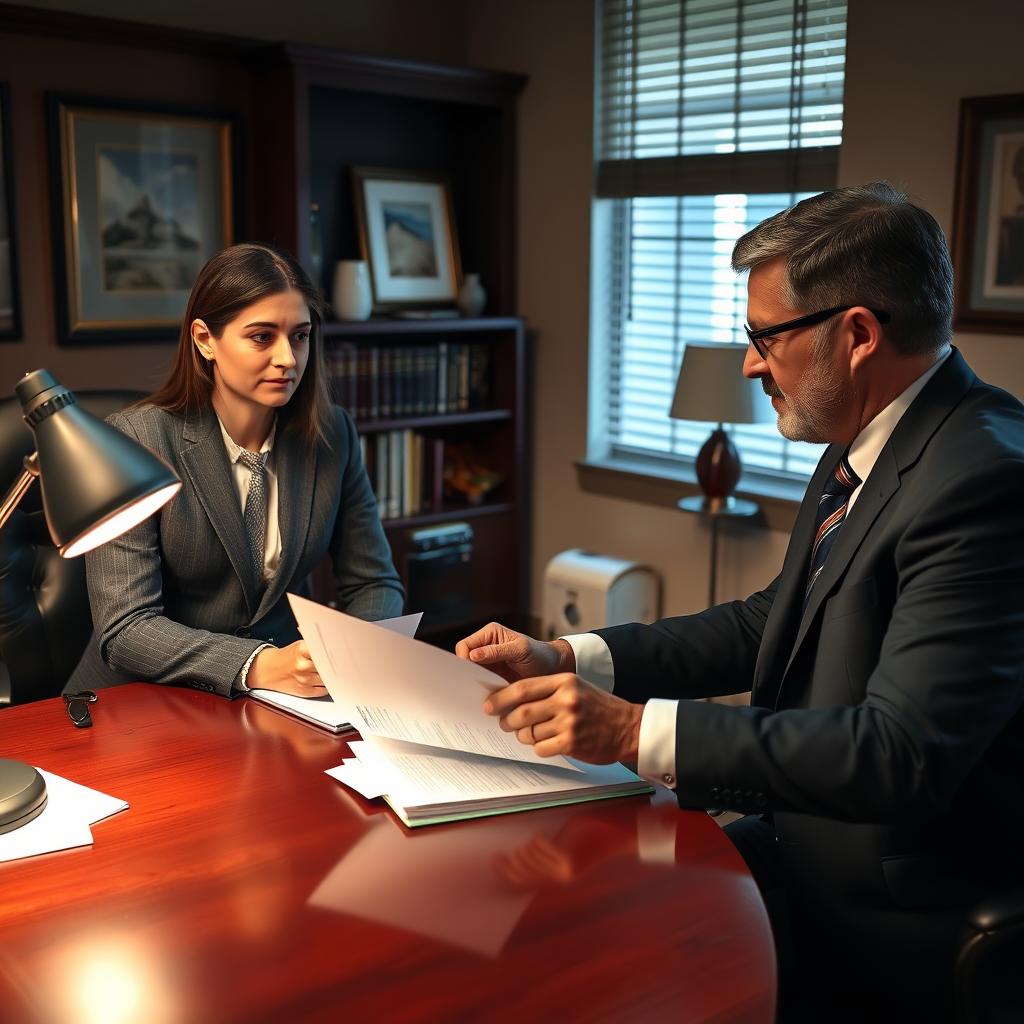
What are the consequences of refusing a breath test in New York
You were driving home along the Cross Island Parkway after a late dinner when an officer pulled you over for failing to signal a lane change. After speaking with you, the officer suspected you had consumed alcohol and asked you to take a breath test. Feeling uncertain and anxious, you refused. Now you are facing a DMV refusal hearing and wondering what happens next. Refusing a breath test in New York carries serious consequences that unfold on two separate tracks: an administrative proceeding at the Department of Motor Vehicles and a potential criminal DWI case in criminal court. At Law Offices Of SRIS, P.C., Mr. Sris and his Of Counsel team represent drivers at refusal hearings and in related DWI matters throughout New York. Call (888) 437-7747 to speak with an experienced multi-state legal team. Law Offices Of SRIS, P.C. – Advocacy Without Borders.
What refusing a breath test means under New York’s implied consent law
Under New York’s Vehicle and Traffic Law § 1194, any driver who operates a motor vehicle in the state is deemed to have given consent to a chemical test of breath, blood, or urine when a police officer has reasonable grounds to believe the driver is under the influence of alcohol or drugs. When you refuse a properly requested breath test, the immediate consequence is not a criminal conviction but an administrative action: your driver’s license is revoked at the scene, and you receive a notice of a DMV refusal hearing. Refusing a test also creates a separate charge in any subsequent DWI prosecution, because the refusal itself can be introduced as evidence of consciousness of guilt.
The DMV hearing is an administrative proceeding, not a criminal trial. The hearing officer considers only whether the officer had reasonable grounds to request the test, whether the test was properly offered, and whether you actually refused. If the hearing officer finds against you, the revocation period can last for a significant time, and you may face additional civil penalties and a driver responsibility assessment. A refusal finding stays on your driving record and can later lead to enhanced penalties if you face another alcohol-related offense. Contact Law Offices Of SRIS, P.C. at (888) 437-7747 to discuss how to challenge the hearing evidence and protect your New York driving privileges.
How an experienced attorney approaches a breath test refusal case
Mr. Sris and his Of Counsel team review every refusal case by examining the traffic stop, the officer’s statements, whether the officer’s request was clear and proper, and whether any medical or language barriers contributed to the refusal. In many cases, the officer must have observed you for a specified period before the test can be offered; a violation of the observation requirement can be a strong defense at a refusal hearing. The hearing process moves quickly, and missing a deadline can result in a default finding against you, so it is important to speak with an attorney as soon as possible after a refusal. Mr. Sris, a former prosecutor, understands how law enforcement builds these cases and uses that insight to identify weaknesses in the evidence.
What happens in court after a refusal
In New York, a DWI case based on the officer’s observations can proceed even without a chemical test result. The refusal is admissible in court, and a prosecutor may argue that you refused because you knew you would fail the test. A conviction for a DWI or DWAI can result in fines, a criminal record, probation, and incarceration, even without a breath test. The penalties are determined by the court based on the facts of the case, your prior record, and the specific charge. Mr. Sris and his Of Counsel team represent clients in criminal DWI matters and work to obtain a favorable outcome, whether by challenging the stop, the refusal evidence, or negotiating with the prosecution. Results may vary.
Frequently asked questions about breath test refusal in New York
What is the implied consent law in New York?
Yes, under New York’s implied consent law, by driving on a public road you consent to a chemical test if an officer has reasonable grounds to suspect impairment. When you refuse a breath test after being arrested for DWI, the DMV can revoke your license regardless of the outcome of any criminal case. The law is designed to encourage drivers to submit to testing, and the refusal itself carries its own set of consequences. If you are unsure whether the officer had proper grounds to request the test, speak with an attorney who can review the circumstances of your stop. Call (888) 437-7747 to discuss your refusal with an experienced legal team.
What happens at a DMV refusal hearing?
At a DMV refusal hearing, an administrative law judge reviews the evidence to decide whether your refusal was knowing and whether the officer followed proper procedure. The hearing is usually held at a DMV office or by telephone. Your attorney can cross-examine the arresting officer and challenge whether the officer had reasonable grounds to request the test and whether you were properly advised of the consequences of a refusal. If the judge finds the refusal was valid, your license will be revoked for a period set by law. A lawyer can help you present evidence that you did not intend to refuse or that the process was flawed.
Can a breath test refusal be used against me in a DWI case?
Yes, a prosecutor can tell a jury that your refusal shows consciousness of guilt, making it more difficult to defend against a DWI charge. New York courts have long allowed refusal evidence in criminal DWI trials. However, an experienced attorney can challenge the circumstances of the refusal, arguing that you were confused, that the officer did not give proper warnings, or that you had a medical reason for not providing a sample. Mr. Sris uses his background as a former prosecutor to anticipate how the prosecution will use refusal evidence and prepares a strong response. For case-specific guidance, call (888) 437-7747.
How long can my license be suspended for a refusal?
The length of a license revocation for a refusal depends on your driving record and whether you have prior alcohol-related offenses, but it is usually a substantial period measured in months or years. The DMV’s revocation period is set by statute and can be longer if you have previous DWI convictions or prior refusals. You may be eligible for a conditional license after serving part of the revocation if you participate in the New York Drinking Driver Program. Speak with an attorney about your eligibility and what you need to do to regain driving privileges as soon as possible.
Do I need a lawyer for a breath test refusal hearing?
You are not required to have a lawyer at a refusal hearing, but having an experienced attorney can make a critical difference in whether your license is revoked. The hearing is your only chance to challenge the refusal finding before the DMV. An attorney can file the hearing request on time, gather evidence, cross-examine the officer, and argue legal and procedural errors that you may not be aware of. Without legal representation, you risk a default finding that can leave you without driving privileges for a long time. To discuss your hearing, call (888) 437-7747.
What are the defenses to a breath test refusal charge?
Possible defenses include that the officer lacked reasonable grounds to stop you, that you were not properly advised of the consequences of refusing, or that you did not intentionally refuse. The officer must inform you that your license will be revoked if you refuse and may need to read a specific warning form. A language barrier or a misunderstanding can also be a defense. In addition, procedural requirements such as the observation period must be followed. An experienced attorney will examine the police reports and the audio recording of the stop to build the trusted defense for your hearing. Contact Law Offices Of SRIS, P.C. at (888) 437-7747 to discuss your case.
Can I get a conditional license after a refusal?
In New York, you may be eligible for a conditional driver’s license after a refusal revocation if you participate in the Drinking Driver Program and meet other requirements. A conditional license allows you to drive to and from work, school, medical appointments, and the program itself. The DMV will notify you if you qualify, but the rules are strict, and any additional traffic violation while on a conditional license can lead to further penalties. Your attorney can help you determine whether you are eligible and assist with the paperwork. Call (888) 437-7747 for more information.
What is the difference between a refusal and a failure of a chemical test?
A refusal occurs when you decline to provide a breath sample; a failure means you took the test and the result showed a blood alcohol concentration above the legal limit. A refusal triggers a separate DMV consequence but does not provide a numeric BAC reading for the prosecutor to use at trial. A failure, on the other hand, gives the prosecutor a concrete number that can be introduced as scientific evidence. Both outcomes can lead to a DWI charge, but the defense strategies differ. An attorney can explain the specific risks and benefits of how your case might unfold based on whether you submitted to the test. Call (888) 437-7747 to speak with our legal team.
Does refusing a breath test guarantee I will not be convicted of DWI?
No, refusing a breath test does not prevent a DWI conviction; New York law allows a DWI charge based on the officer’s observations and other evidence. Many drivers mistakenly believe that without a BAC reading, the case must be dismissed. In reality, an officer’s testimony about your appearance, performance on field sobriety tests, and the driving pattern that led to the stop can be enough to convict. Having an experienced attorney who can challenge that evidence is essential. Mr. Sris and his Of Counsel team represent clients in both refusal hearings and criminal DWI cases throughout New York.
What should I do if I refused a breath test in New York?
If you refused a breath test, you should immediately contact an attorney, request your refusal hearing within the time allowed, and avoid discussing the facts of the stop with anyone except your lawyer. The DMV hearing must be requested quickly or you lose the right to challenge the refusal. Gather any documents you received from the officer, including the suspension notice and the hearing request form. Your attorney can file the request on your behalf and begin building a defense. For guidance on your specific situation, reach Law Offices Of SRIS, P.C. at (888) 437-7747.
How does a refusal affect a commercial driver’s license in New York?
A refusal by a CDL holder can lead to a one-year disqualification of commercial driving privileges even if the revocation is for a non-commercial vehicle, and a second refusal can result in a lifetime disqualification. Federal and state regulations treat commercial drivers differently, and refusing a test while operating any motor vehicle can affect your ability to work as a truck driver or operate a commercial vehicle. At Law Offices Of SRIS, P.C., our legal team helps CDL holders navigate the administrative hearing process and the additional consequences that apply. Call (888) 437-7747 to speak with an attorney about your CDL.
If you have additional questions about the consequences of refusing a breath test in New York, call (888) 437-7747 to speak with Mr. Sris and his Of Counsel team.
About Mr. Sris and his Of Counsel team
Law Offices Of SRIS, P.C. was founded in 1997 by Mr. Sris, a former prosecutor who has practiced law in New York, Virginia, Maryland, the District of Columbia, and New Jersey. Mr. Sris and his Of Counsel team bring decades of individual experience to traffic, DWI, and criminal defense matters. The firm’s approach emphasizes careful review of the evidence, thorough preparation for administrative hearings and court proceedings, and a commitment to protecting each client’s driving privileges. To speak with an experienced attorney about a breath test refusal or DWI charge, call (888) 437-7747.
Additional resources on New York traffic law
For more information on the administrative consequences of a breath test refusal, the relevant statutory provisions can be found in the New York Vehicle and Traffic Law, available through the New York State Senate legislation site at nysenate.gov/legislation/laws/VAT. For information on New York court procedures, visit the New York State Unified Court System at nycourts.gov.
Attorney advertising. Prior results do not guarantee a similar outcome. Case results depend on a variety of factors unique to each case. Results may vary.