
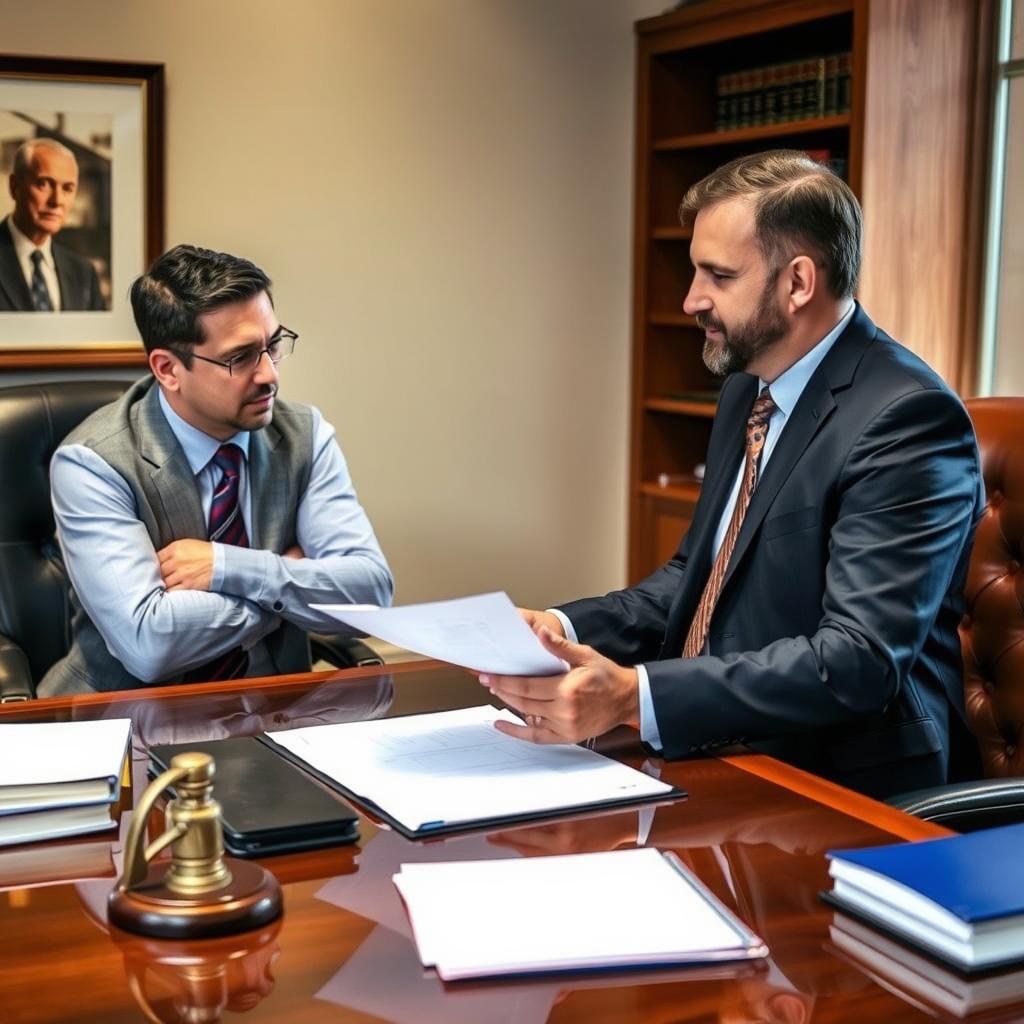
Repeat DWI Lawyer Brooklyn, NY
If you are facing a repeat DWI charge in Brooklyn—Kings County—the stakes are significantly higher than a first offense. New York treats subsequent driving-while-intoxicated offenses as felonies, and a conviction can mean state prison, years of license revocation, and severe fines. Law Offices Of SRIS, P.C., founded in 1997, represents clients before the New York State Traffic Violations Bureau (TVB) and local Kings County criminal courts. Mr. Sris, a former prosecutor who practices across five states, and his Of Counsel understand how repeat DWI cases are built and help clients challenge the state’s evidence. Reach our firm at (888) 437-7747 to schedule a consultation. Law Offices Of SRIS, P.C. — Advocacy Without Borders.
Understanding Repeat DWI Charges in Kings County (Brooklyn)
Under New York’s Vehicle and Traffic Law, a driver with a prior alcohol-related driving conviction within the previous ten years faces elevated charges and mandatory minimum sanctions. In Brooklyn, repeat DWI matters are criminal cases heard either at the TVB (for administrative license issues) or in the Kings County Supreme Court / Criminal Court at 360 Adams Street. Because the TVB does not permit plea bargaining, cases that remain there are litigated on the facts, while matters transferred to the local criminal court allow negotiation with the prosecutor.
The 2nd Judicial District encompasses Brooklyn, and its court procedures differ from upstate or Long Island justice courts. Points assessed by the DMV can trigger a Driver Responsibility Assessment fee of $100 per year for three years once six points accumulate, and 11 or more points within 18 months can result in a license suspension. A repeat DWI conviction also carries a mandatory license revocation of at least one year, with longer periods for subsequent offenses. Given these consequences, retaining an attorney who is familiar with Kings County’s TVB and criminal court practices can make a meaningful difference.
How Mr. Sris and His Of Counsel Handle Repeat DWI Cases
Mr. Sris and his Of Counsel review every aspect of the prosecution’s case: the reason for the stop, the administration of field sobriety tests, the calibration and maintenance records of breath-test devices, and compliance with New York’s implied-consent warnings. Because repeat DWI often turns on the validity of a prior conviction, they also examine whether the earlier plea or verdict can be challenged as uncounseled or constitutionally deficient.
At the TVB, they present legal arguments and evidence before an administrative law judge; in Kings County Criminal Court, they negotiate with the Assistant District Attorney when circumstances permit and prepare for trial when a suitable resolution cannot be reached. Every case is different, but the goal is always to work toward a favorable resolution while keeping the client fully informed of the risks and options.
About Mr. Sris and His Of Counsel Team
Mr. Sris, Owner and Founder of Law Offices Of SRIS, P.C., is a former prosecutor who has practiced since 1997. He is admitted in Virginia, Maryland, the District of Columbia, New Jersey, and New York. Mr. Sris testified before the Virginia House Courts of Justice Committee in support of 2019 HB 635 (chief patron Del. David Bulova). He and his Of Counsel bring over 120 years of combined legal experience, and the firm has documented 4,739+ firm-wide results. Results may vary.
The Of Counsel attorneys who work alongside Mr. Sris include attorneys with backgrounds in prosecution, law enforcement, and trial law. All are engaged through Excella, and they collectively handle criminal, traffic, and DWI matters in New York and the firm’s other jurisdictions. The firm’s New York location is at 50 Fountain Plaza, Suite 1400, Office No. 142, Buffalo, NY 14202; all meetings are by appointment. Call (888) 437-7747 to schedule.
Frequently Asked Questions
Do I need a lawyer for a repeat DWI charge in Brooklyn?
Yes, because a repeat DWI conviction in New York is a felony that can result in state prison and long-term license revocation. Even if the first offense was a misdemeanor, a second alcohol-related driving offense within ten years elevates the charge. An experienced attorney can identify legal issues such as improper stops or faulty breath tests that may lead to a dismissal or reduction. In the TVB, where no plea bargaining exists, a skilled presentation is essential. In Kings County Criminal Court, prosecutors may consider a reduction to a non-criminal disposition in appropriate cases, but they rarely do so without a defense lawyer’s involvement.
What are the penalties for repeat DWI in New York?
A second DWI within ten years is a Class E felony, carrying up to four years in prison, a fine of $1,000 to $5,000, and a minimum one-year license revocation. A third offense within ten years is a Class D felony, with up to seven years in prison and a similar fine range. Additionally, the DMV imposes a Driver Responsibility Assessment of $250 per year for three years for a felony DWI, and the court may require installation of an ignition interlock device. These penalties apply regardless of whether the case is heard at the TVB or in a local criminal court; however, the vehicle-traffic-law framework ensures that prior out-of-state convictions count toward the ten-year lookback.
How does the TVB process for DWI work in Brooklyn?
At the New York State Traffic Violations Bureau, DWI cases are heard by an administrative law judge, and there is no opportunity to plea bargain. The prosecution must prove the charge by clear and convincing evidence, but the rules of evidence are less formal than in criminal court. Because there is no jury, the ALJ decides both law and fact. The TVB handles only the traffic infraction portion of a DWI charge; the criminal component is adjudicated in Kings County Criminal Court. An attorney can challenge the breath-test result, argue that the stop lacked probable cause, or present mitigating factors to seek a favorable outcome.
Can a repeat DWI charge be reduced?
While the TVB offers no reduction mechanism, a Kings County prosecutor may agree to amend a felony DWI to a misdemeanor or even a non-alcohol-related infraction if the evidence is weak or if the defendant completes a treatment program. Whether a reduction is possible depends on the specific facts, the defendant’s prior record, and the prosecutor’s policy. An attorney can evaluate the case and negotiate on the client’s behalf. For a third or subsequent DWI, reductions are rare, but an experienced lawyer can still seek to minimize the penalty by challenging procedural errors.
What should I do immediately after being charged with repeat DWI in Brooklyn?
Contact an attorney before speaking with anyone else about the case, and do not post about the incident on social media. Preserve any documents related to the arrest, including the ticket, the breath-test result slip, and the DMV hearing notice. You have a limited time to request a DMV hearing to challenge the license suspension, so prompt action is critical. Do not attempt to handle a felony charge without counsel; the consequences are too severe.
How do I find a repeat DWI lawyer in Brooklyn?
Look for a criminal-defense attorney who regularly appears in Kings County courts and who has experience with TVB procedure. Check the attorney’s bar admissions and background—a former prosecutor who now represents defendants can offer valuable insight into how the state builds its case. Schedule a consultation to discuss the facts of your matter. For a consultation with Mr. Sris and his Of Counsel, call (888) 437-7747.
Related practice areas: Traffic Lawyer in Kings County (Brooklyn), NY · Brooklyn DWI Lawyer · Felony DWI Lawyer Brooklyn · Suspended License Lawyer Brooklyn · Reckless Driving Lawyer Brooklyn
Official sources: N.Y. Vehicle & Traffic Law § 1192 · Kings County Supreme Court
Attorney advertising. Prior results do not guarantee a similar outcome. Case results depend on a variety of factors unique to each case. Results may vary.