
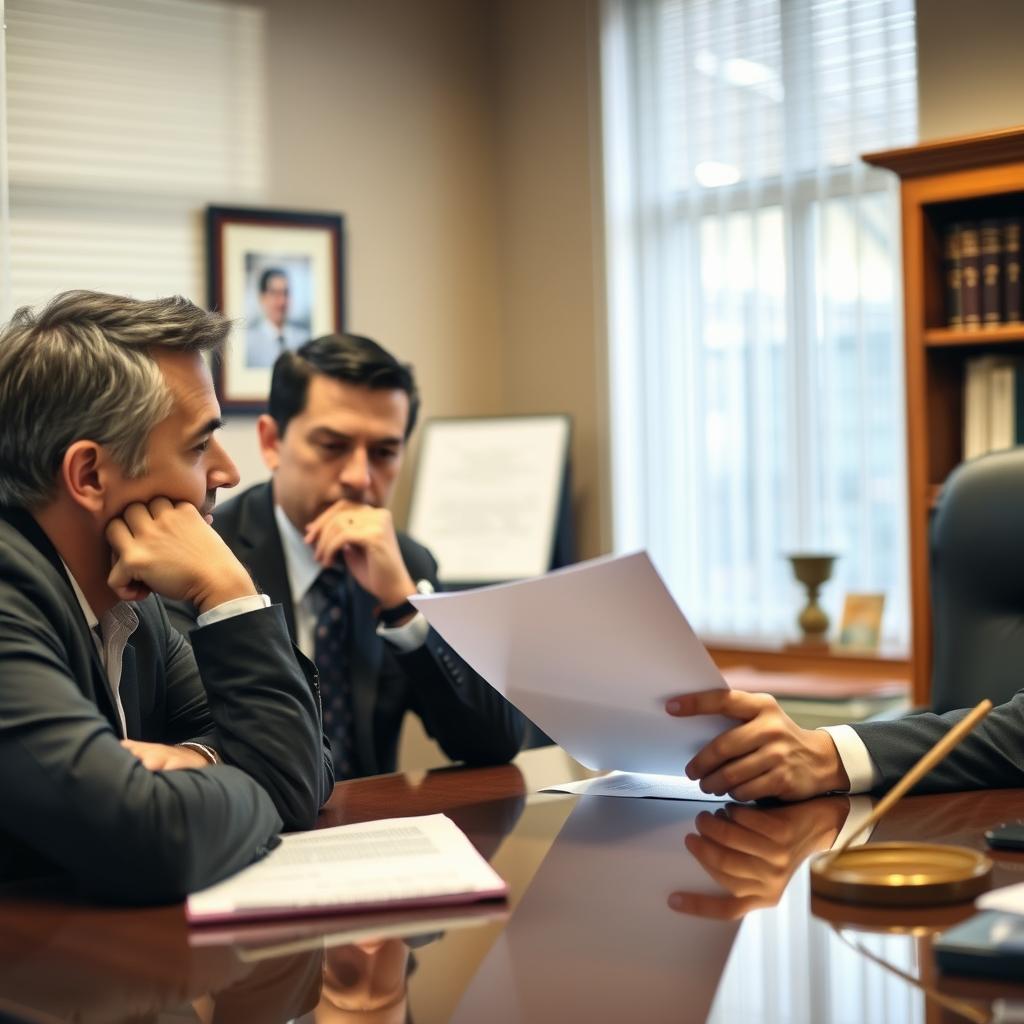
Repeat DWI Lawyer Albany County, NY
A repeat driving while intoxicated charge in Albany County carries heightened penalties and long‑term consequences. Under New York Vehicle and Traffic Law § 1192, a second or subsequent DWI offense within ten years becomes a felony, raising the stakes beyond a first‑time misdemeanor. If you are facing an Albany County repeat DWI, a conviction can bring mandatory state prison time, permanent license revocation, and a felony record that follows you into housing, employment, and financial‑aid applications. Law Offices Of SRIS, P.C. provides representation for individuals charged with repeat DWI in the Capital District, helping you understand the legal process, examine the prosecution’s evidence, and pursue the favorable outcomes. Mr. Sris, a former prosecutor who founded the firm in 1997, directs the practice with the support of his Of Counsel, and the team appears regularly in Albany County Supreme Court, where felony‑level DWI cases are heard. To discuss your situation and learn what steps you can take now, reach Law Offices Of SRIS, P.C. at (888) 437-7747 to schedule a consultation. Law Offices Of SRIS, P.C. — Advocacy Without Borders.
What a Repeat DWI Charge Means in Albany County
New York treats a repeat DWI more severely than a first offense. Under VTL § 1192(2), operating a motor vehicle with a blood‑alcohol concentration of .08 or greater constitutes driving while intoxicated. A first conviction for a standard DWI is a misdemeanor, but a second DWI within ten years is charged as a Class E felony, carrying a mandatory minimum sentence of one to four years in state prison if the prior conviction was also a DWI. A third DWI within ten years is a Class D felony, with greater potential incarceration. The underlying impairment‑of‑alcohol charge (DWAI, § 1192(1)) and the “per se” charges escalate similarly. Albany County law enforcement agencies, including the Albany Police Department and New York State Police, make DWI arrests on I‑787, I‑90, and Route 9, and the Albany County District Attorney’s Office prosecutes these cases vigorously. Because the local courts field substantial numbers of DWI cases each year, familiarity with the specific courtroom expectations can be essential.
Location‑specific court procedure matters. Misdemeanor DWI charges in Albany County originate in the local justice courts, but a felony repeat DWI information is filed in Albany County Supreme Court, located at 16 Eagle Street, Albany, NY 12207. The court sits as a trial court of general jurisdiction, and its judges are experienced in felony‑level vehicle‑and‑traffic trials. A felony DWI case may involve a grand‑jury indictment or a waiver of indictment, written motions to suppress evidence, and the presentation of forensic evidence such as breath‑test certification records and Datamaster reports. Because the prosecution carries the burden to prove each element beyond a reasonable doubt, an attorney can scrutinize the traffic stop, the administration of field sobriety tests, and the calibration and maintenance of the testing instrument. License consequences run simultaneously with the criminal proceedings; the Department of Motor Vehicles can commence a chemical‑test‑refusal hearing or a per‑se hearing independent of the court case. Together, the criminal and administrative proceedings require a coordinated approach that accounts for both systems.
How Mr. Sris and His Of Counsel Handle Repeat DWI Cases
When Mr. Sris and his Of Counsel undertake a repeat DWI matter in Albany County, the first step is a thorough intake and review of every document the prosecution has provided: the accusatory instrument, the police report, the breath‑test printout, any video from the patrol car or the precinct, and the DMV driving abstract that reveals the prior conviction history. The team examines whether the initial traffic stop was supported by reasonable suspicion and whether probable cause existed to make the arrest. An improper stop or an arrest without sufficient grounds can be challenged through a suppression motion. In a repeat‑offense case, the validity of the prior conviction that underlies the felony enhancement is also scrutinized. If the predicate conviction is legally flawed — for example, because it resulted from a plea without a proper allocution — it may not support an enhanced charge. Those analyses are case‑specific, and the strategy is tailored to the facts.
In court, Mr. Sris and his Of Counsel engage in motion practice and, where appropriate, negotiate with the assigned prosecutor to explore resolutions that avoid the most severe penalties. For instance, in some circumstances a plea to a non‑felony charge may be possible, preserving the client’s ability to maintain employment and avoid a felony record. However, plea outcomes depend on the strength of the evidence, the specific judge’s policies, and the client’s goals. The team also handles the parallel DMV proceeding, which can decide your driving privileges before the criminal case concludes. Because Mr. Sris has been handling DWI and traffic‑offense cases since 1997, and because his Of Counsel bring substantial collective experience, the practice is structured to build the strongest possible factual and legal defense under the circumstances of each case. Results may vary.
About Mr. Sris and His Of Counsel Team
Mr. Sris, Owner and Founder of Law Offices Of SRIS, P.C., is a former prosecutor who brings insight into how law enforcement and the prosecution prepare DWI cases. He founded the firm in 1997 and is admitted to practice in Virginia, Maryland, the District of Columbia, New Jersey, and New York. Mr. Sris and his Of Counsel bring over 120 years of combined legal experience and have achieved over 4,739 documented firm-wide results. Results may vary. Throughout his career, Mr. Sris has directed the handling of numerous traffic and DWI matters across multiple jurisdictions, including the Albany County courts. His familiarity with repeat‑offender sentencing and with the intersection of criminal and DMV proceedings allows him to coordinate a comprehensive response on behalf of his clients.
The firm’s Of Counsel include attorneys who have handled DWI and criminal defense work for many years. All Of Counsel are engaged through Excella and work alongside Mr. Sris on Albany County DWI cases. Although every case is unique, the team approach ensures that the preparing attorney reviews the discovery, identifies available defenses, and appears in court. For clients unfamiliar with the Capital District court system, the firm provides a steady point of contact, answers questions about what to expect at a court appearance, and communicates regularly about the status of the matter. For a consultation about your Albany County repeat DWI, reach Law Offices Of SRIS, P.C. at (888) 437-7747.
Frequently Asked Questions
What makes a DWI a “repeat offense” in New York?
A DWI is a repeat offense when the defendant has a prior DWI or DWAI conviction within the preceding ten years. Under VTL § 1192‑a, a second DWI offense within ten years can be charged as a Class E felony, and a third or subsequent offense within ten years elevates to a Class D felony. The look‑back period starts from the date of the prior conviction. For charges arising out of Albany County, the District Attorney’s Office will present the prior certified conviction records to support the enhancement, and the court treats the enhanced charge as a felony from the outset of the proceeding.
Do I need a lawyer for a repeat DWI in Albany County?
Yes. A repeat DWI charge in Albany County is a felony prosecution with the potential for state prison time and a permanent criminal record, making experienced legal representation highly advisable. A lawyer can challenge the traffic stop, the breath‑test administration, and the basis for the prior‑conviction enhancement. Even in a strong prosecution case, an attorney may be able to negotiate a plea that avoids felony consequences or reduce the license‑revocation period. Because the DMV also pursues an independent license action, you need someone who can handle both the criminal and the administrative tracks simultaneously.
How does the legal process work for an Albany County felony DWI?
Felony DWI charges in Albany County begin with a local justice court arraignment and are then transferred to Albany County Supreme Court for further proceedings. The defendant may be indicted by a grand jury or may waive indictment and plead to a superior‑court information. Discovery is exchanged under the New York criminal procedure law, and the defense can file motions to suppress evidence. A suppression hearing may be held, and if the case does not resolve, it proceeds to trial before a judge or jury. The timeline varies depending on the complexity of the case, the court’s calendar, and whether motions are litigated.
What are the penalties for a repeat DWI conviction in New York?
A felony repeat DWI conviction carries mandatory state incarceration, significant fines, and a lengthy license revocation. For a Class E felony second DWI, the law requires a minimum of one to four years in state prison if the prior offense was a DWI; the maximum is four years. A Class D felony third DWI carries a minimum of two to seven years. In addition, the court imposes a fine generally ranging from $1,000 to $10,000, a surcharge, and a mandatory driver responsibility assessment. The DMV revokes the license, with possible permanent revocation after multiple alcohol‑related offenses. Because every sentence is determined by the specific facts and the defendant’s prior record, the actual consequence can vary.
Can a repeat DWI charge be reduced to a non‑felony?
In some Albany County cases, a prosecutor may agree to reduce a felony repeat DWI to a misdemeanor or a non‑criminal violation under negotiated terms. Factors that influence the possibility of a reduction include the strength of the evidence, whether the prior conviction is legally sound, the defendant’s criminal history, and the specific circumstances of the arrest. A reduction can spare the defendant a felony record and may limit license consequences, but past results do not guarantee a similar outcome. An attorney can evaluate whether a reduction is a realistic possibility in your case and work to achieve the most favorable resolution.
What should I bring to a consultation about my Albany County repeat DWI?
Bring your court appearance ticket, any written communication from the court or the district attorney, your DMV driving abstract, and a list of questions. If you have a copy of the police report or the breath‑test printout, share it. The attorney will need the full name on the charge, the docket number, and the date of the alleged offense. Having your prior DWI conviction disposition paperwork also helps the attorney evaluate the potential felony enhancement. The more information you provide, the more targeted the initial advice can be.
Our firm handles repeat DWI cases across New York State. See also our resources for nearby counties:
New York County (Manhattan) Traffic Lawyer ·
Kings County (Brooklyn) Traffic Lawyer ·
Queens County Traffic Lawyer ·
Richmond County Traffic Lawyer ·
Nassau County Traffic Lawyer
Primary New York DWI and traffic resources:
New York Vehicle and Traffic Law § 1192 ·
New York State Unified Court System ·
New York State Department of Motor Vehicles
Attorney advertising. Prior results do not guarantee a similar outcome.
Case results depend on a variety of factors unique to each case.
Results may vary.