
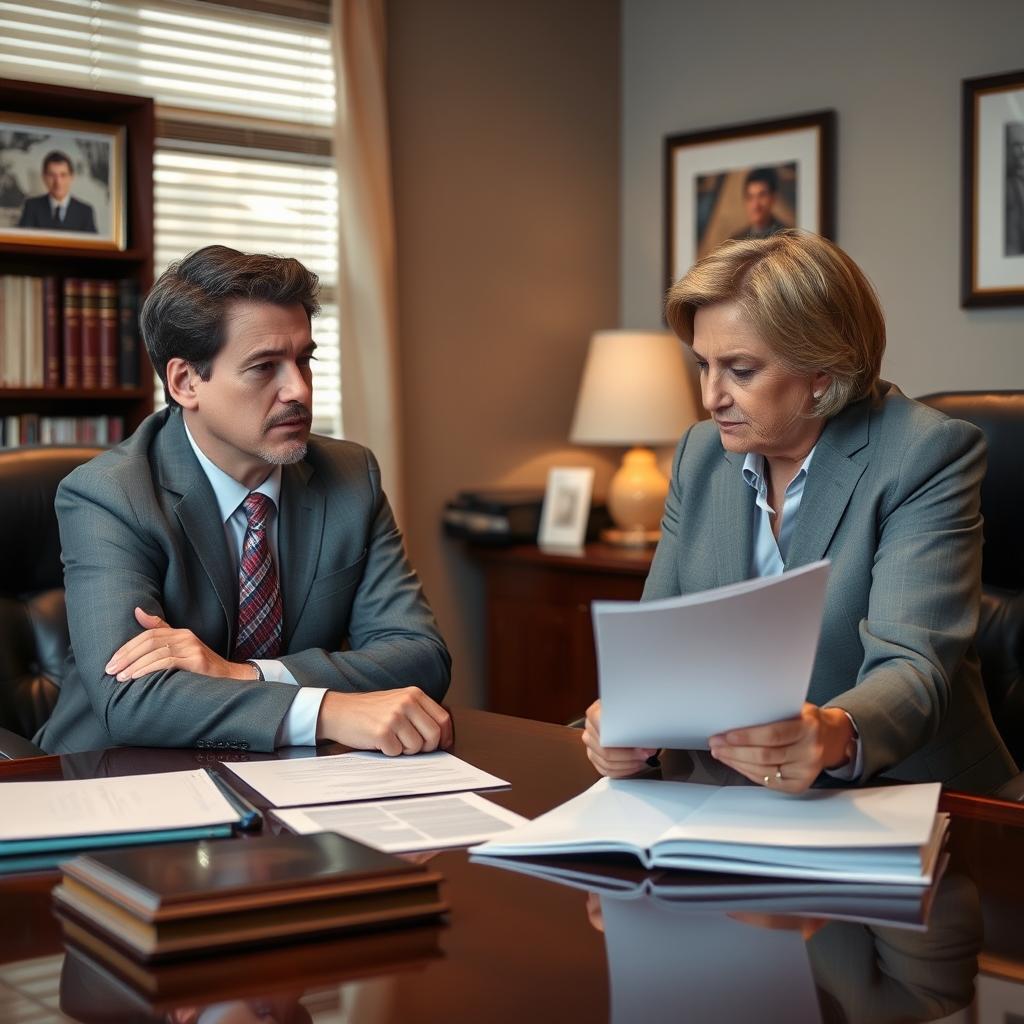
Refusal Hearing Lawyer Ontario County
Facing a refusal hearing in Ontario County requires immediate action. A Refusal Hearing Lawyer Ontario County from Law Offices Of SRIS, P.C.—Advocacy Without Borders. defends your license against New York’s implied consent law. The hearing is a civil proceeding separate from any criminal DWI case. You have a short window to request this hearing after arrest. SRIS, P.C. (Confirmed by SRIS, P.C.)
Statutory Definition of Refusal in Ontario County
New York Vehicle and Traffic Law § 1194 — Civil Violation — Mandatory 1-year license revocation and $500 civil penalty. Refusing a chemical test in Ontario County triggers a civil proceeding under New York’s implied consent law. Your driver’s license faces automatic suspension. This is separate from any criminal DWI charges you may also face. The law presumes you consented to testing by driving on New York roads.
The Department of Motor Vehicles (DMV) administers the refusal hearing process. This is not a criminal trial. The standard of proof for the DMV is lower than “beyond a reasonable doubt.” The hearing officer must find it more likely than not that you refused. A police officer’s testimony alone can be sufficient for a finding of refusal. You need a Refusal Hearing Lawyer Ontario County to challenge this evidence.
Your refusal hearing is a critical stand-alone event. Losing it means a mandatory one-year license revocation. This revocation runs consecutively to any suspension from a DWI conviction. A skilled attorney attacks the officer’s basis for the arrest and the refusal allegation. Procedural errors in the officer’s warning can form a strong defense.
What is the implied consent law in New York?
Implied consent means you agree to chemical testing by holding a New York license. New York Vehicle and Traffic Law § 1194 establishes this rule. The law applies to breath, blood, urine, or saliva tests. A police officer must have reasonable grounds to believe you were driving under the influence. The officer must also provide clear and unequivocal refusal warnings.
What happens immediately after I refuse a test in Ontario County?
The officer will confiscate your driver’s license immediately. You receive a temporary permit valid for 15 days. The officer forwards a “Refusal Report” to the New York DMV. The DMV then schedules a refusal hearing. You must request this hearing within the strict deadline to contest the revocation.
Is a refusal hearing criminal or civil?
A refusal hearing is a civil administrative proceeding. It is conducted by a DMV Administrative Law Judge. The purpose is to determine if your license should be revoked for refusing the test. This is entirely separate from criminal court for DWI. You need representation for both the civil hearing and any criminal case. Learn more about Virginia legal services.
The Insider Procedural Edge in Ontario County
Your refusal hearing is held at the Ontario County Supreme & County Courts building. The address is 27 North Main Street, Canandaigua, NY 14424. The DMV Traffic Violations Bureau conducts hearings at this courthouse location. You have only 15 days from your arrest to request a hearing. Missing this deadline results in an automatic license revocation.
The filing fee to request a refusal hearing is set by the DMV. Current fees should be confirmed at the time of your request. The hearing timeline typically places your hearing within a few months of the request. The police officer who arrested you will testify at the hearing. The hearing officer will review the officer’s sworn report and listen to testimony.
You have the right to be represented by an attorney at this hearing. You can cross-examine the arresting officer. You can present your own evidence and witnesses. The hearing is recorded. The decision is usually mailed to you within a few weeks. A loss at this hearing triggers the mandatory one-year revocation.
How long does the entire refusal process take?
The entire refusal process from arrest to final DMV decision can take several months. Your temporary permit lasts only 15 days from the arrest date. You must act within that window to request a hearing. The hearing itself is usually scheduled within 30 to 90 days. A decision from the hearing officer follows a few weeks after the hearing.
Can I drive while waiting for my refusal hearing?
You can drive with the temporary permit issued at the time of arrest. This permit is typically valid for 15 days. Once those 15 days pass, your driving privileges are suspended pending the hearing outcome. You cannot get a conditional or hardship license for a refusal suspension in New York. Winning the hearing is the only way to restore full driving privileges pre-conviction. Learn more about criminal defense representation.
Penalties & Defense Strategies for Ontario County
The most common penalty for a refusal violation is a mandatory one-year license revocation. This is a civil penalty imposed by the DMV. It is separate from any criminal court sanctions for DWI. The revocation period is fixed by statute. The court has no discretion to reduce it for a first-offense refusal.
| Offense | Penalty | Notes |
|---|---|---|
| First Refusal | 1-year license revocation, $500 civil penalty | Mandatory, runs consecutively to any DWI suspension. |
| Refusal within 5 years of prior DWI-related sanction | 18-month license revocation, $750 civil penalty | Enhanced penalties for repeat offenders. |
| Refusal with a Commercial Driver’s License (CDL) | 1-year CDL disqualification (lifetime for 2nd) | Applies even if driving a personal vehicle. |
[Insider Insight] Ontario County prosecutors and police treat test refusals seriously. They view refusal as an attempt to avoid evidence. Hearing officers in the region consistently uphold revocations if the officer’s paperwork is in order. The most effective defense challenges the legality of the initial traffic stop. Another strong defense attacks the clarity of the refusal warnings given by the officer.
Other defenses include proving the refusal was not clear and unequivocal. Medical conditions preventing a proper test can also be a defense. An attorney can argue the officer lacked reasonable grounds for the DWI arrest. Success at the hearing prevents the one-year revocation. This preserves your ability to drive while the criminal case is pending.
What are the fines for refusing a breath test?
The civil penalty for a first refusal is a $500 mandatory fine. This fine is payable to the New York State DMV. A second refusal within five years carries a $750 civil penalty. These fines are also to any fines from a criminal DWI conviction. The DMV will not restore your license until all fines are paid.
How does a refusal affect my criminal DWI case?
Prosecutors can use your refusal as evidence of “consciousness of guilt” in criminal court. The jury may be instructed they can consider the refusal as evidence you knew you were intoxicated. This can strengthen the prosecution’s case for a DWI conviction. However, the refusal itself is not a criminal charge. You face two parallel proceedings: one civil (DMV) and one criminal (court). Learn more about DUI defense services.
Why Hire SRIS, P.C. for Your Ontario County Refusal Hearing
Attorney Bryan Block brings direct insight from his prior law enforcement experience to your defense. His background provides a strategic advantage in cross-examining police officers and challenging procedural flaws in refusal cases.
Bryan Block
Former law enforcement officer.
Extensive experience with DWI and refusal hearing procedures.
Focuses on the technical defenses specific to implied consent law.
SRIS, P.C. has a dedicated legal team for New York traffic and license matters. Our attorneys understand the nuanced interplay between DMV hearings and criminal courts. We prepare for both battles simultaneously. We scrutinize the officer’s report, the arrest video, and the refusal warnings for any defect.
Our approach is direct and tactical. We do not assume the officer’s report is flawless. We file timely requests for hearings and necessary motions. We advocate aggressively at your DMV refusal hearing to protect your driving privileges. Securing a favorable outcome at the hearing can significantly impact your criminal case strategy.
Localized FAQs for Ontario County Refusal Hearings
How do I request a refusal hearing in Ontario County?
You must request a hearing in writing within 15 days of your arrest. Use the DMV form provided by the officer or contact the DMV Traffic Violations Bureau. A Refusal Hearing Lawyer Ontario County can ensure this is done correctly and on time. Learn more about our experienced legal team.
Can I win a refusal hearing in Ontario County?
Yes, winning is possible by proving the officer lacked reasonable cause for the arrest or gave improper warnings. Success often hinges on challenging the officer’s testimony and the paperwork. An experienced attorney is critical for this fight.
What is the cost of hiring a refusal hearing lawyer?
Legal fees vary based on case complexity and whether a criminal DWI charge is also involved. Many attorneys offer a Consultation by appointment to discuss your case and the associated costs. Protecting your license is an investment.
Should I plead guilty at my refusal hearing?
No, you should never plead guilty at a refusal hearing. A plea waives your right to challenge the revocation. Always plead not guilty and force the DMV to prove its case. An attorney will enter the plea and fight for you.
What if I refused because I was confused or scared?
Confusion or fear is not a legal defense to a refusal. The law requires a clear and unequivocal refusal. Your state of mind is generally not considered by the hearing officer. A defense must be based on legal or procedural grounds.
Proximity, CTA & Disclaimer
Our team serves clients throughout Ontario County. The Ontario County Supreme & County Courts at 27 North Main Street are central to the legal process here. For a case review with a Refusal Hearing Lawyer Ontario County, contact SRIS, P.C. Consultation by appointment. Call 24/7.
Law Offices Of SRIS, P.C.
—Advocacy Without Borders.
Phone: [PHONE NUMBER FROM GMB]
Consultation by appointment.
Past results do not predict future outcomes.