
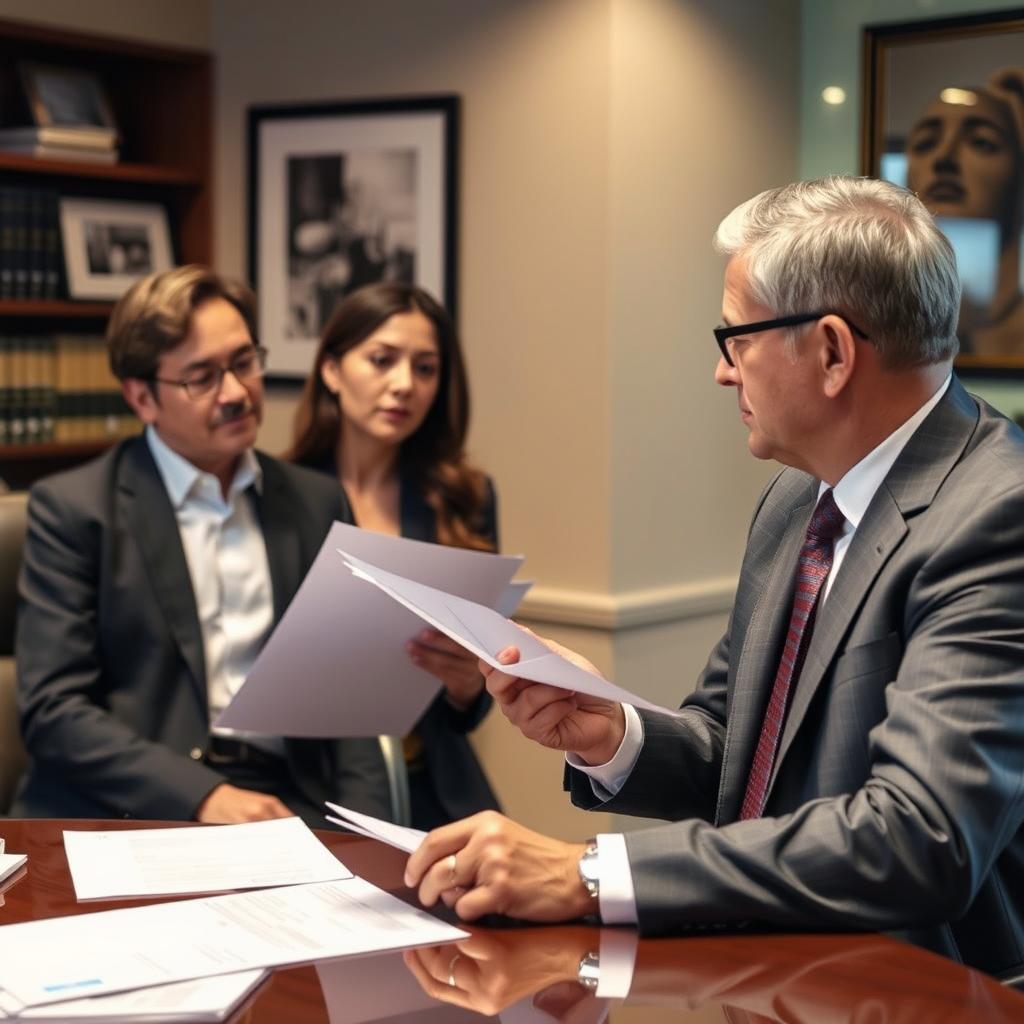
Moving Violation Lawyer Manhattan, NY
When a traffic citation lands in your hands in Manhattan, the court that handles it is the New York State Traffic Violations Bureau, commonly called the TVB. The TVB operates differently from most traffic courts across the country — there is no plea bargaining, no prosecutor to confer with, and hearings are held before an administrative law judge rather than a traditional judge. A moving violation in Manhattan can mean points on your license, sharply higher insurance costs, and consequences that reach into your career if you drive for a living. Mr. Sris and his Of Counsel team at Law Offices Of SRIS, P.C. represent drivers facing moving violation charges in Manhattan and throughout New York City. To request a consultation, call (888) 437-7747. Law Offices Of SRIS, P.C. – Advocacy Without Borders.
What a Moving Violation Charge Means in Manhattan
Manhattan’s traffic enforcement is intense. The borough’s density, its constant flow of pedestrians, cyclists, taxis, and delivery vehicles, and the ever‑present NYPD traffic units mean that moving violation tickets are not rare events. A driver can receive a citation for speeding, failing to signal, improper lane use, running a red light, or a host of other moving offenses under the New York Vehicle and Traffic Law. The charge is not simply a fine; it is a legal matter that creates a record at the New York City Department of Motor Vehicles and, if not resolved carefully, can accumulate points that lead to a suspended license or a Driver Responsibility Assessment fee.
The Manhattan TVB office is located at 60 Centre Street, New York, NY 10007, within the courthouse complex near City Hall. Anyone with a moving violation ticket issued in Manhattan will eventually find themselves at that address unless the ticket is dismissed or the driver successfully contests the charge. The TVB does not permit plea bargaining, so a driver cannot expect to negotiate for a reduced charge. Instead, a hearing is held where the administrative law judge hears evidence, reviews the officer’s testimony and any documentary proof, and decides whether the driver is guilty. Because the process is less flexible than a criminal court, preparation and a thorough understanding of TVB procedure matter substantially.
How Mr. Sris and His Of Counsel Handle Moving Violation Cases
Mr. Sris and his Of Counsel approach each Manhattan moving violation case by first reviewing the ticket, the cited Vehicle and Traffic Law section, and the circumstances of the stop. The team examines the equipment used — radar, laser, pacing — and the officer’s observations recorded on the ticket and any supporting deposition. In a TVB hearing, a driver has the right to cross‑examine the officer, present witness testimony, and introduce documents such as calibration records. Identifying weaknesses in the prosecution’s case can make the difference between a conviction with points and a dismissal.
While the TVB does not allow bargaining, an experienced traffic attorney still brings significant advantages. The attorney knows what evidence an administrative law judge expects, how to object to hearsay or improper testimony, and how to present technical defense evidence in a way the judge finds persuasive. Mr. Sris and his Of Counsel also evaluate whether any statutory defense applies to the specific charge and whether any procedural error in the issuance or processing of the ticket supports a motion to dismiss. After the hearing, if the judge enters a conviction, the driver has a limited period to appeal; the team can advise on whether an appeal is warranted and handle the filing. Our New York location is at 50 Fountain Plaza, Suite 1400, Office No. 142, Buffalo, NY 14202 (by appointment only). Call (888) 437-7747 to schedule a consultation.
About Mr. Sris and His Of Counsel Team
Mr. Sris is the Owner and Founder of Law Offices Of SRIS, P.C.; he has practiced law since 1997 and is admitted in Virginia, Maryland, the District of Columbia, New Jersey, and New York. Mr. Sris and his Of Counsel bring over 120 years of combined legal experience. Results may vary. They have built a practice that serves drivers in Manhattan and throughout New York at the TVB and in local courts. Mr. Sris and his Of Counsel have documented 4,739+ case results across all practice areas since 1997.
Mr. Sris’s Of Counsel team includes attorneys with backgrounds in prosecution, law enforcement, and trial advocacy. All Of Counsel are experienced professionals who work collaboratively on client matters. The firm does not employ associates or partners; each attorney is Of Counsel, which allows the firm to draw on deep, focused experience for each case. Whether you are a commercial driver facing a points accumulation that threatens your livelihood or a private motorist trying to avoid insurance increases, the team’s goal is to present the strong $1 under the applicable law and TVB procedures.
Frequently Asked Questions
Do I need a lawyer for a moving violation in Manhattan?
While you are not required to hire a lawyer, having experienced representation can help protect your driving record and insurance rates. A moving violation in Manhattan goes before the TVB, where there is no opportunity for plea negotiations. An attorney can challenge the police officer’s evidence, cross‑examine the officer, and present technical defenses that a driver appearing alone may not know how to raise. Because a conviction can add points, increase insurance for years, and lead to additional DMV fees, many drivers decide that the cost of representation is a worthwhile investment in the outcome of their case. For case‑specific guidance, reach Law Offices Of SRIS, P.C. at (888) 437-7747.
How does the TVB process work for Manhattan tickets?
After you receive a moving violation ticket in Manhattan, you must answer it by pleading guilty or not guilty, and if you plead not guilty, you will be scheduled for a hearing at the Manhattan TVB. At the hearing, the administrative law judge will review the ticket and any supporting deposition from the officer. The officer must appear and testify. You have the right to question the officer and present your own witnesses and evidence. The judge then decides whether the charge is proven. There is no pretrial conference and no prosecutor to speak with. If you are found guilty, the judge imposes a fine and may also impose a mandatory Driver Responsibility Assessment. Points are then added to your driving record. For help preparing for a TVB hearing, contact Law Offices Of SRIS, P.C. at (888) 437-7747.
What are the penalties for a moving violation in New York?
Penalties depend on the specific violation and your prior driving record, but they generally include a fine, points on your license, and state‑mandated driver responsibility assessment fees. For example, a speeding conviction may add three to eleven points depending on how far above the limit you were traveling. Accumulating eleven points in an eighteen‑month period can lead to a license suspension. The DMV also charges a Driver Responsibility Assessment of one hundred dollars per year for three years if you accumulate six or more points within eighteen months, plus additional charges for more points. Certain violations may also carry surcharges or affect your insurance rates for several years. To discuss how the penalties might apply to your specific ticket, reach Mr. Sris and his Of Counsel at (888) 437-7747.
Can I fight a TVB ticket without a lawyer in Manhattan?
You have the right to represent yourself, but the TVB’s no‑plea‑bargaining rule and the formal hearing procedures can make self‑representation challenging. The administrative law judge will follow the rules of evidence, and an unrepresented driver may not know how to object to improper testimony or how to effectively cross‑examine the officer. If you are not familiar with the applicable Vehicle and Traffic Law sections and the methods for challenging radar, laser, or pacing evidence, you could miss important defenses. An experienced attorney can evaluate whether the ticket was properly issued, whether the officer’s evidence is sufficient, and whether any procedural or technical defense applies. For a consultation, reach Law Offices Of SRIS, P.C. at (888) 437-7747.
How long does a moving violation case take in Manhattan?
The timeline varies, but most TVB hearings in Manhattan are scheduled within one to three months of the date the not‑guilty plea is filed. The hearing itself typically lasts a few hours. If the judge finds you guilty, the conviction is entered that day, and points appear on your record shortly thereafter. If you appeal, the appellate process can add additional months. Because delays can happen due to adjournment requests or the officer’s availability, each case follows its own schedule. An attorney can help prepare you for the hearing so that you are ready when your date arrives. For more information about timing in your case, contact Law Offices Of SRIS, P.C. at (888) 437-7747.
What should I bring to a consultation about my Manhattan moving violation?
Bring the ticket, any supporting deposition you received from the officer, and any documents or photographs you think are relevant to your defense. Also bring your current driving record abstract if you have one, as the number of points already on your license can affect the strategy. If you have any communication from the DMV or TVB about your case, include that as well. Being able to review the exact ticket, the statute cited, and the factual allegations allows Mr. Sris and his Of Counsel to give you an informed evaluation of your options. To schedule a consultation, call (888) 437-7747 today.
Also serving:
Brooklyn |
Queens |
Bronx |
Staten Island
Official resources:
NY DMV Traffic Violations Bureau |
NYC Criminal Court |
NY Vehicle and Traffic Law Title 7
Attorney advertising. Prior results do not guarantee a similar outcome.
Case results depend on a variety of factors unique to each case.
Results may vary.