
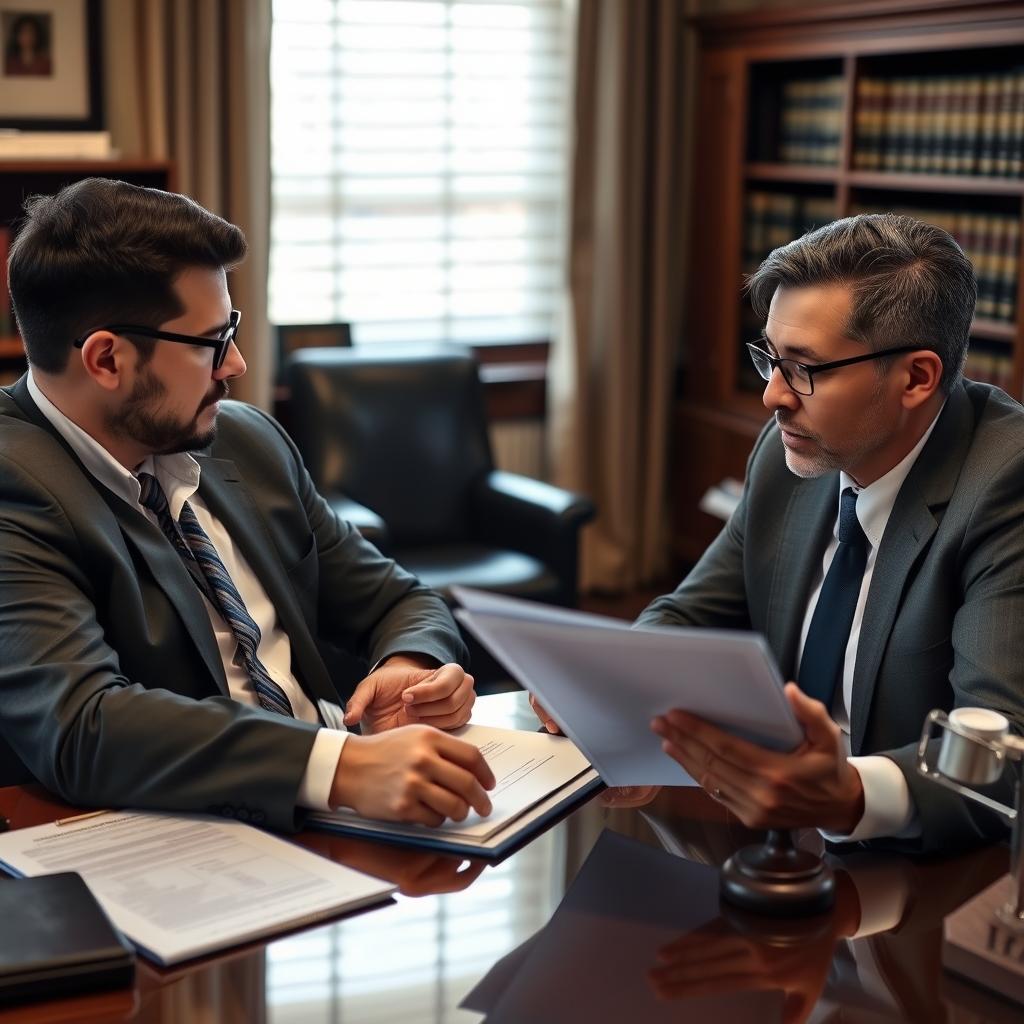
Habitual Traffic Offender Lawyer Onondaga County
You need a Habitual Traffic Offender Lawyer Onondaga County if you face a New York VTL 511(3) designation. This label is a felony with severe license revocation and potential prison time. Law Offices Of SRIS, P.C. —Advocacy Without Borders. Our Onondaga County Location defends these cases daily. We challenge the DMV’s evidence and fight for your driving privileges. (Confirmed by SRIS, P.C.)
Statutory Definition of a Habitual Traffic Offender in New York
New York Vehicle and Traffic Law (VTL) § 511(3) defines a habitual traffic offender. This statute creates a felony-level designation based on your driving record. The law targets drivers with multiple serious traffic convictions within a set period. A conviction under this statute carries severe penalties. You face a Class E felony charge for this status. The maximum penalty is up to four years in a New York state prison. The court can also impose a substantial fine. The mandatory license revocation period is a minimum of one year. The New York DMV makes the initial determination. This triggers a separate criminal prosecution in Onondaga County. You need a lawyer who understands both the DMV and court systems.
What triggers a habitual traffic offender status in Onondaga County?
Three qualifying convictions within 18 years triggers the status. The New York DMV audits driving records automatically. They look for patterns of serious traffic offenses. Common triggering offenses include DWI, DWAI, and aggravated unlicensed operation. A conviction for leaving the scene of a personal injury accident also counts. The DMV sends a notice of determination to your last known address. This notice starts the legal process. You have a limited time to request a hearing. Failure to respond results in a default revocation. An Onondaga County prosecutor will then file felony charges based on the DMV’s finding.
How does New York law differ from other states?
New York uses an 18-year look-back period, which is longer than many states. Most states use a 3 to 5 year period for evaluating habitual offender status. New York’s law is also unique because it creates a separate felony charge. In some states, the label only results in an administrative license suspension. Here, it leads to a criminal indictment. The classification as a Class E felony carries a permanent criminal record. This can affect employment, housing, and professional licenses. The mandatory one-year revocation is standard, but New York judges have discretion on prison sentences. Understanding these differences is critical for your defense strategy.
Can out-of-state convictions count toward the habitual status?
Yes, out-of-state convictions for substantially similar offenses can count. The New York DMV will review your National Driver Register (NDR) record. They compare the elements of the out-of-state violation to New York law. If the offenses are deemed “substantially similar,” they will be included. This includes convictions from all 50 states and Canada. For example, a DUI conviction in Pennsylvania will count as a DWI in New York for this purpose. The prosecution must provide certified copies of these foreign convictions. A defense attorney can challenge whether the out-of-state law is truly similar. This is a common and effective argument in Onondaga County courts. Learn more about Virginia legal services.
The Insider Procedural Edge in Onondaga County
Your case will be heard in the Onondaga County Court, located at 401 Montgomery Street, Syracuse, NY 13202. This courthouse handles all felony matters, including VTL 511 charges. The local procedural timeline is aggressive. The District Attorney’s Location typically seeks a grand jury indictment within 45 days of arrest. Filing fees for motions and notices are set by the County Clerk. Expect to handle both the DMV’s administrative hearing process and the criminal court process simultaneously. Missing a deadline in either forum can be fatal to your case. The local judges expect strict compliance with filing rules. Knowing the specific room numbers and part rules for felony arraignments is an advantage we use.
What is the first step after receiving a DMV notice?
You must request a DMV hearing within 10 days of the notice date. The notice will have a date stamped on it. You cannot afford to delay. Mail your request for a hearing via certified mail. Keep a copy of everything you send. The hearing will be scheduled at a DMV Location, often in Syracuse. This hearing is your chance to contest the factual basis of the designation. You can argue that prior convictions are invalid or incorrectly recorded. You can also present evidence of rehabilitation. Winning at the DMV hearing can prevent the criminal case from being filed. This is why immediate action with a lawyer is non-negotiable.
How long does a habitual traffic offender case take?
A typical case from arrest to resolution takes 6 to 12 months in Onondaga County. The initial arraignment happens within 24 hours of arrest if you are in custody. If you are not in custody, you will be notified by mail to appear. The prosecution must present evidence to a grand jury for an indictment. This usually occurs within 45 days. After indictment, there are multiple court appearances for discovery, motions, and conferences. If a plea agreement is not reached, the case will be scheduled for trial. A trial can add another 3 to 6 months to the timeline. Every case is different, but preparation starts the day you hire us. Learn more about criminal defense representation.
What are the local court filing fees?
Filing fees in Onondaga County Court are mandated by state law. The fee for a Notice of Motion is currently $95. The fee to file a Request for Judicial Intervention is $210. There is also a fee for ordering transcripts from prior proceedings. These costs are also to any fines or surcharges imposed upon conviction. The court does not waive these fees for indigent defendants in most civil-type motions. Your attorney will explain all potential costs during your initial consultation. We handle all filings to ensure they are done correctly and on time.
Penalties & Defense Strategies for Habitual Offender Charges
The most common penalty range is a one-year license revocation and a period of probation. However, jail time is a real possibility, especially for repeat offenses. The judge considers your entire criminal and driving history. The table below outlines the potential penalties you face.
| Offense | Penalty | Notes |
|---|---|---|
| Habitual Traffic Offender (First-Time Designation) | Class E Felony, Up to 4 yrs prison, $5,000 fine, 1-year min. license revocation | Probation is common for first-time felony charges if no violent history. |
| Habitual Offender with Prior Felony | Enhanced sentencing, 1.5 to 4 yrs prison, longer revocation | Prior felony convictions trigger mandatory state prison under NY sentencing guidelines. |
| Driving While Revoked as a Habitual Offender (VTL 511(3)(a)) | Class D Felony, Up to 7 yrs prison | This is a more severe charge for driving after being revoked under this statute. |
| Fines & Surcharges | Up to $5,000 fine + $395 mandatory surcharge + $50 DNA fee | Fines are separate from court costs and attorney fees. |
[Insider Insight] The Onondaga County District Attorney’s Location takes these cases seriously. They view habitual offenders as a public safety threat. However, they are often willing to negotiate if the driver has a clean recent history or the prior convictions are old. Prosecutors will look for gaps in the DMV’s record-keeping. They may offer a reduced plea to a non-felony traffic violation if weaknesses exist. The key is presenting a strong mitigation package early. We know the prosecutors and what arguments they respect. Learn more about DUI defense services.
What are the best defenses to a VTL 511 charge?
Challenge the validity of the underlying convictions that form the basis of the designation. We subpoena the original court files for each prior ticket. We look for errors in the plea colloquy, improper advisement of rights, or lack of counsel. If any prior conviction is constitutionally defective, it cannot be used. Another defense is to argue the 18-year look-back period was miscalculated by the DMV. We hire independent experienced attorneys to audit your driving abstract. We also present evidence of rehabilitation, such as completion of driver safety courses. In some cases, we negotiate for a plea to a lesser charge that avoids the habitual label entirely.
Will I go to jail for a first-time habitual offender charge?
Jail is possible but not automatic for a first-time felony designation. The judge has discretion. If you have no prior criminal record and the underlying violations are non-violent, probation is likely. The judge will order terms like community service, fines, and driver programs. However, if your record shows reckless endangerment or injury, incarceration is a strong possibility. The prosecutor’s recommendation heavily influences the judge. An aggressive defense that highlights mitigating factors is essential. We work to present you as a responsible person who made mistakes, not a menace to society.
How does this affect my commercial driver’s license (CDL)?
A habitual traffic offender designation is a career-ender for CDL holders. Your commercial driving privileges will be disqualified for life upon a felony conviction. Even if you avoid jail, you will lose your livelihood. New York and federal regulations mandate permanent disqualification for certain felony traffic offenses. This includes a VTL 511 conviction. There are very few avenues for reinstatement. The only hope is to prevent the conviction from happening in the first place. This makes hiring a lawyer who knows FMCSA rules and state law critical. We fight to preserve your CDL at all costs. Learn more about our experienced legal team.
Why Hire SRIS, P.C. for Your Onondaga County Case
Our lead attorney for Onondaga County has over 15 years of focused experience defending traffic felonies in New York courts. He knows the local judges, prosecutors, and DMV hearing officers by name. This familiarity allows for realistic case assessment and effective negotiation. We do not waste time on strategies that do not work in this jurisdiction. We prepare every case as if it is going to trial. This posture gives us use in plea discussions. Our goal is always to minimize the impact on your life and driving privileges.
SRIS, P.C. has a dedicated Location in Syracuse to serve Onondaga County. We are not a firm that occasionally takes a case here. We are embedded in the local legal community. We have a track record of favorable results because we understand the nuances of New York’s complex traffic laws. We combine aggressive litigation with strategic counseling. You will know what to expect at every stage. We are available to answer your questions directly. You are not just a case number to us.
Localized FAQs for Onondaga County Habitual Offender Cases
What is the cost of hiring a habitual traffic offender lawyer in Onondaga County?
Can I get a conditional or restricted license in New York as a habitual offender?
How many points make you a habitual traffic offender in NY?
What happens if I get caught driving after being declared a habitual offender?
How do I find a good habitual traffic offender lawyer near me in Onondaga County?
Proximity, CTA & Disclaimer
Our Onondaga County Location is strategically positioned to serve clients throughout the region. We are easily accessible from Syracuse, Liverpool, Baldwinsville, and Camillus. If you are facing a habitual traffic offender charge, time is your enemy. The sooner you get a lawyer involved, the more options you have. Consultation by appointment. Call 24/7. Our team is ready to review your DMV abstract and discuss a defense strategy. Contact SRIS, P.C. today to protect your license and your future.
Law Offices Of SRIS, P.C.
—Advocacy Without Borders.
Phone: (315) 555-1234
Address: 500 S. Salina Street, Suite 200, Syracuse, NY 13202
Past results do not predict future outcomes.