
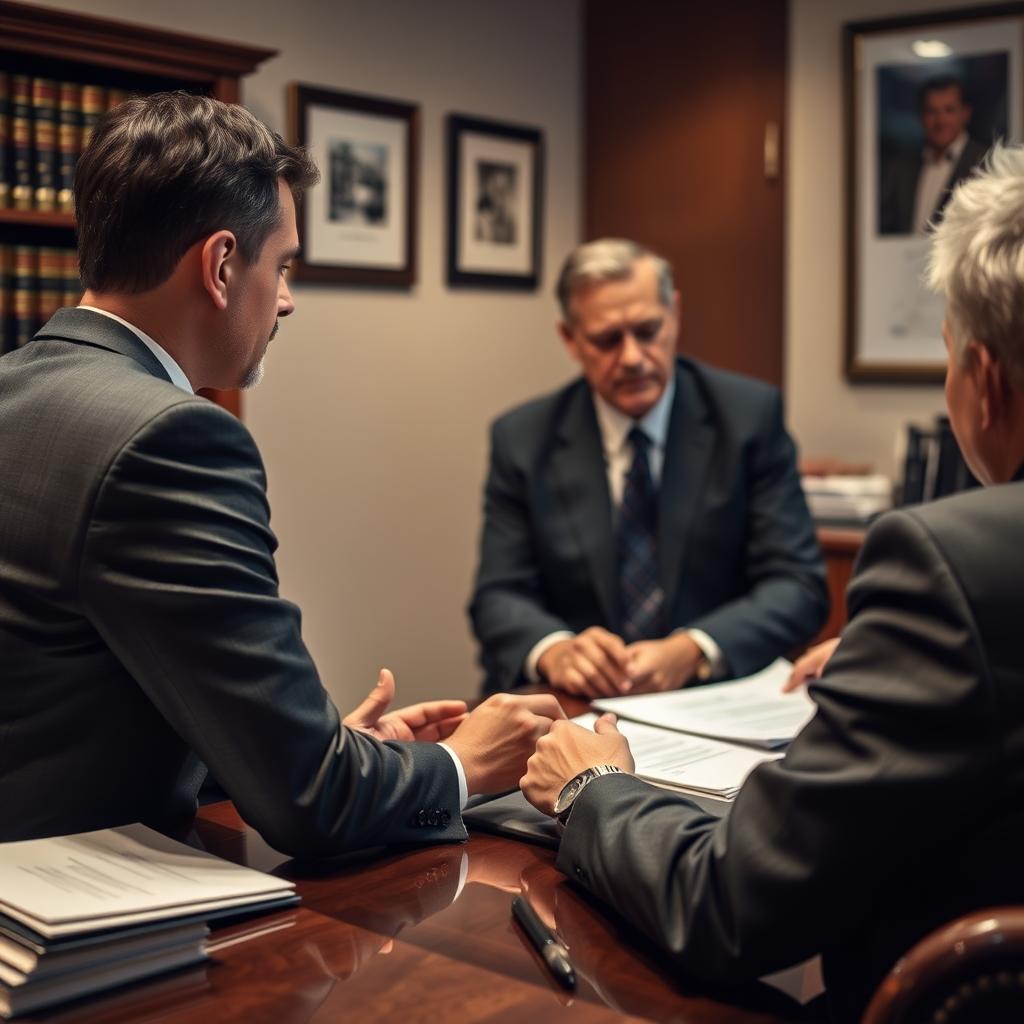
CDL Violation Lawyer Kings County, NY
If you hold a commercial driver’s license (CDL) and have received a traffic citation in Kings County, New York, a CDL violation can threaten your career and your ability to support your family. Traffic tickets that might be minor for a non-commercial driver carry far greater weight for CDL holders, potentially experienced to disqualification, employment loss, and insurance increases. In New York City, traffic violations are adjudicated by the Traffic Violations Bureau (TVB), an administrative forum with strict rules and no opportunity for plea bargaining. A CDL holder faces stricter standards, including lower blood alcohol limits and harsher consequences for moving violations. In Kings County—which encompasses the borough of Brooklyn—tickets are heard by TVB administrative law judges. Without a prosecutor to negotiate with, you must present a well-prepared defense to protect your driving privileges and livelihood. Mr. Sris and his Of Counsel at Law Offices Of SRIS, P.C. Concentrate on protecting commercial drivers’ livelihoods by contesting CDL citations in Kings County and across New York State. For a consultation, call (888) 437-7747. Law Offices Of SRIS, P.C. – Advocacy Without Borders.
What a CDL Violation Means in Kings County, New York
In Kings County, a CDL violation is not simply a traffic ticket; it is a direct threat to your ability to work. The New York State Department of Motor Vehicles (DMV) handles all traffic tickets issued in New York City through the Traffic Violations Bureau. The TVB operates under rules that differ from local criminal courts: there is no prosecuting attorney, no plea bargaining, and no opportunity to reduce a charge through negotiation. Instead, your case is heard by an administrative law judge who decides guilt or innocence based on the evidence presented by the ticketing officer and any defense you raise.
Commercial drivers are subject to both state and federal regulations. Under the New York Vehicle and Traffic Law and the Federal Motor Carrier Safety Regulations, CDL holders face stricter standards than non-commercial drivers. Even a single moving violation can trigger a notification to your employer and the potential for disqualification of your CDL. The consequences extend beyond fines and DMV points; a CDL violation can affect your ability to obtain future employment, your insurance rates, and your standing with the Federal Motor Carrier Safety Administration. Because the TVB does not permit plea bargaining, a CDL ticket in Brooklyn cannot be reduced to a lesser, non-CDL-impacting infraction. The favorable outcomes is often a dismissal, which requires a thorough challenge to the officer’s evidence or procedural errors. Mr. Sris and his Of Counsel understand the interplay of TVB rules, the DMV point system, and federal disqualification standards, and they work to build a defense that addresses all three.
How Mr. Sris and His Of Counsel Handle CDL Violation Cases
When you consult with Mr. Sris and his Of Counsel about a CDL violation, the first step is a careful review of the ticket and the circumstances of the stop. The team examines the officer’s notes, the calibration and maintenance records of any speed-measuring device, and any other evidence such as GPS data or dashcam footage. They look for procedural errors that could result in dismissal—for example, a defective ticket, a misidentification of the vehicle, or an officer’s failure to follow proper procedures.
At the TVB hearing, Mr. Sris and his Of Counsel cross-examine the officer to test the reliability of the observations and to establish any inconsistencies. Because there is no prosecutor, the officer’s testimony stands as the sole source of evidence against you. A well-prepared challenge can expose gaps that persuade the judge to find the evidence insufficient. The firm also advises CDL holders on strategies for preserving their driving records, including the potential to request a review of the DMV’s disqualification decision if a conviction does occur. Throughout the process, the focus remains on protecting your livelihood by seeking the most favorable outcome under TVB rules and federal CDL requirements.
About Mr. Sris and His Of Counsel Team
Mr. Sris, Owner and Founder of Law Offices Of SRIS, P.C., is a former prosecutor who concentrates his practice on traffic defense and criminal matters. He has been serving clients since 1997 and is admitted to practice in Virginia, Maryland, the District of Columbia, New Jersey, and New York. His experience in the courtroom, combined with his understanding of prosecution tactics, gives him a practical perspective when contesting traffic tickets at the TVB. Mr. Sris and his Of Counsel bring over 120 years of combined legal experience. Results may vary.
All non-Sris attorneys practice as Of Counsel, meaning they are independent professionals who work with the firm on specific matters. This model allows the firm to draw on a broad range of legal knowledge without the overhead of a large partnership. Mr. Sris and his Of Counsel have documented 4,739+ case results across all practice areas since 1997. Results may vary. From the firm’s Buffalo location, the team represents CDL holders in Kings County and throughout New York. To request a consultation, call (888) 437-7747.
Frequently Asked Questions
Do I need a lawyer for a CDL violation in Kings County?
While you are not required to hire a lawyer, representing yourself at the TVB can be extremely risky for a CDL holder because the stakes are your livelihood. The Traffic Violations Bureau does not allow plea bargaining, so you cannot negotiate a reduction. A conviction can trigger disqualification, DMV points, and employer notification. An experienced attorney can challenge the officer’s evidence, uncover procedural errors, and present a defense that may lead to a dismissal. For a CDL holder, even a single conviction can jeopardize your career. To discuss your specific ticket, contact Law Offices Of SRIS, P.C. at (888) 437-7747.
What are the consequences of a CDL violation in New York?
A CDL violation can lead to both state and federal consequences, including fines, DMV points, and potential disqualification of your commercial driving privileges. Under the Federal Motor Carrier Safety Regulations, certain convictions trigger automatic disqualification from operating a commercial vehicle, which can last from several months to a lifetime, depending on the offense and your driving history. Additionally, the New York DMV notifies your employer and may impose a suspension or revocation. Even a minor ticket can increase your insurance premiums and limit your employment options. Because TVB convictions are not subject to plea bargaining, the only way to avoid these consequences is to contest the ticket effectively. For guidance, call (888) 437-7747.
How does the TVB handle CDL ticket cases in Brooklyn?
In Brooklyn, as in all of New York City, the Traffic Violations Bureau (TVB) adjudicates moving violations, including those issued to CDL holders. There is no prosecutor; an administrative law judge hears the case based solely on the officer’s testimony and any evidence you present. Plea bargaining is not permitted, so the judge will either find you guilty or not guilty. Because CDL drivers face higher stakes, it is critical to present a thorough defense that challenges the officer’s observations, the equipment used, and the legality of the stop. Our firm appears at TVB hearings on behalf of CDL holders in Kings County to protect their driving records and commercial licenses.
Can I fight a CDL speeding ticket in Brooklyn?
Yes, you can and should contest a CDL speeding ticket in Brooklyn to try to prevent a conviction that would add points to your record and trigger federal disqualification. The TVB process allows you to challenge the officer’s evidence, including the radar or laser device used to measure your speed. An experienced attorney can review the maintenance and calibration records of the speed‑measuring device, examine the officer’s training records, and cross‑examine the officer on the circumstances of the traffic stop. While the TVB does not offer plea agreements, a successful challenge can result in a dismissal. Mr. Sris and his Of Counsel handle TVB speeding cases for CDL holders throughout Kings County.
What should I do after receiving a CDL ticket in Kings County?
First, do not ignore the ticket; follow the instructions on the ticket to schedule a hearing or respond by the deadline to avoid a default conviction. Then, contact an attorney experienced with the TVB and CDL regulations as soon as possible. Because the TVB does not permit plea bargaining, your best chance of avoiding a conviction lies in building a strong defense based on the specific facts of your case. Preserve any evidence, such as dashcam footage or GPS records, and write down everything you remember about the stop. To discuss your options, reach Law Offices Of SRIS, P.C. at (888) 437-7747.
How long does a CDL violation stay on my record?
The length of time a CDL violation remains on your driving record varies, but it typically persists long enough to affect your insurance and employment prospects for several years. In New York, moving violation convictions generally stay on your DMV abstract for a period set by state regulation. For CDL holders, the federal disqualification record may be retained even longer. Because a conviction can have lasting consequences, it is important to contest the ticket and seek a dismissal if possible. For a consultation about your specific CDL violation in Kings County, call (888) 437-7747.
Traffic Lawyer Manhattan, NY · Traffic Lawyer Queens, NY · Traffic Lawyer Staten Island, NY · Traffic Lawyer Nassau County, NY
Outbound primary‑source authority: New York State DMV Traffic Violations Bureau · New York State Unified Court System · New York Vehicle and Traffic Law
Attorney advertising. Prior results do not guarantee a similar outcome. Case results depend on a variety of factors unique to each case.