
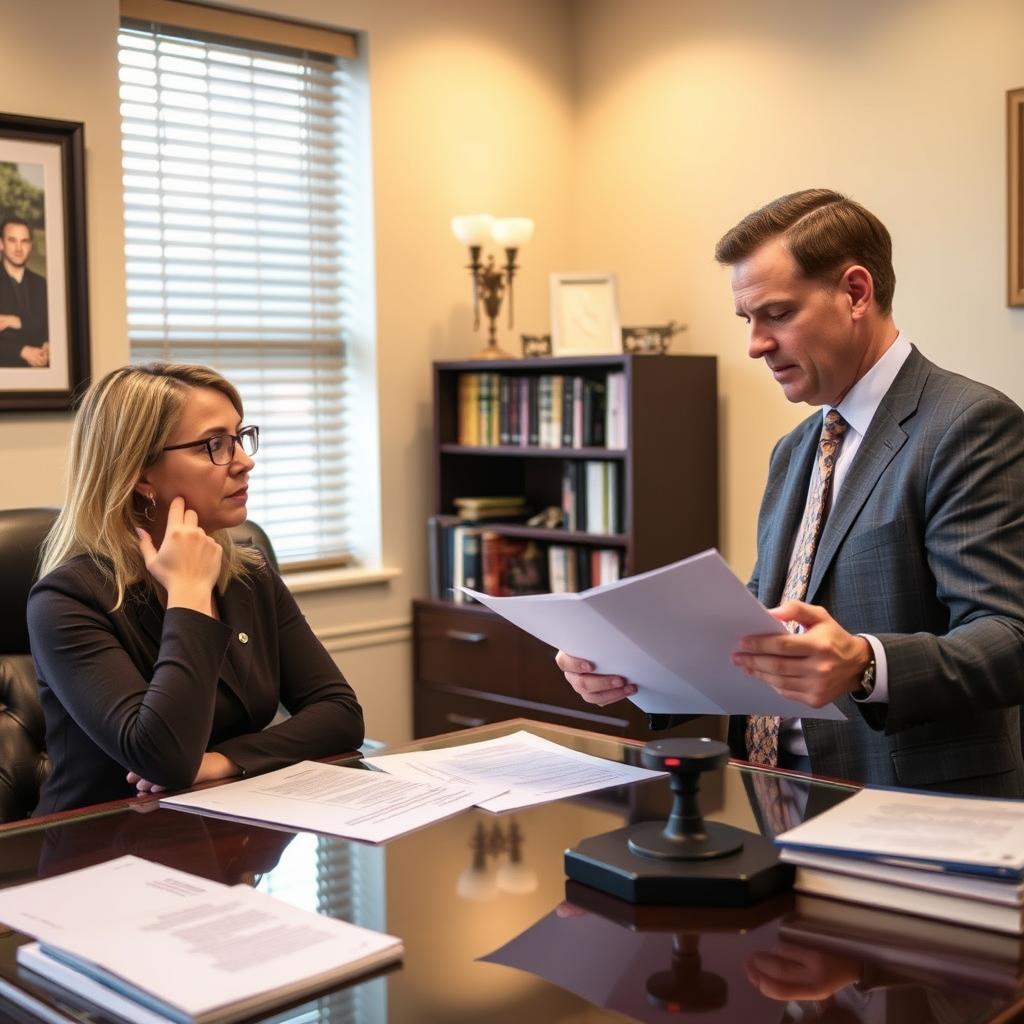
Can a DUI be dismissed in Suffolk County
Facing a DWI charge in Suffolk County, New York, can feel overwhelming, but a dismissal is possible under certain circumstances. Under New York law – most commonly NY VTL § 1192 – driving while intoxicated is a misdemeanor or felony depending on prior offenses. If the traffic stop that led to the arrest was unlawful, if the breath or blood test results are unreliable, or if there are other procedural defects, an attorney can move to dismiss the charges. A DWI case in the Suffolk County District Court or the Supreme Court may be dismissed outright if the evidence is insufficient, or the prosecution may agree to a reduction to a lesser offense such as driving while ability impaired (DWAI). The outcome depends on the specific facts of your case and the quality of the legal representation. Mr. Sris and his Of Counsel team at Law Offices Of SRIS, P.C. represent clients in Suffolk County traffic matters. Call (888) 437-7747 to schedule a consultation. Results may vary. Law Offices Of SRIS, P.C. – Advocacy Without Borders.
Direct Answer: How a DWI Charge Can Be Dismissed in Suffolk County
A criminal charge can be dismissed when the prosecution cannot prove the defendant’s guilt beyond a reasonable doubt, or when a legal defense successfully excludes key evidence. In Suffolk County, DWI dismissals often occur because of constitutional violations – most commonly, an unlawful traffic stop. If the police lacked reasonable suspicion to pull you over, any evidence obtained after the stop may be suppressed, and without evidence of impairment, the case may be dismissed. Other reasons for dismissal include inaccurate breathalyzer calibration, failure to follow proper testing protocols, or violation of the defendant’s right to a speedy trial. An experienced attorney will investigate whether any of these grounds exist in your case.
Even if a dismissal is not achieved outright, a favorable resolution may include a reduction to a non‑criminal traffic infraction, such as a DWAI under NY VTL § 1192(1), which is a violation rather than a crime. Mr. Sris and his Of Counsel work to challenge the prosecution’s evidence and negotiate for favorable outcomes. In Suffolk County courts, the specific judge and the circumstances of the arrest can influence how a case is handled. Because DWI law is complex and the stakes are high – including license suspension, fines, and potential jail time – having a knowledgeable attorney on your side can make a significant difference.
Frequently Asked Questions
Is a DWI the same as a DUI in New York?
New York law uses the term “DWI” (driving while intoxicated) rather than “DUI,” though they often refer to the same conduct. In practice, DUI is commonly used to describe drunk driving, but New York statutes specifically reference DWAI (driving while ability impaired by alcohol) and DWI. The distinction matters because DWAI is a traffic infraction under NY VTL § 1192(1), while DWI is a misdemeanor or felony. Understanding the specific charge you face is important for building a defense strategy.
What are the penalties for a first‑offense DWI in Suffolk County?
A first‑offense DWI is a misdemeanor that can lead to jail time, a fine, and a driver’s license suspension. The court may also order an ignition interlock device, alcohol evaluation, and probation. The specific penalties depend on the circumstances, such as the driver’s blood alcohol content and whether there was an accident. Because the consequences are serious, consulting an attorney is advisable.
How can I get my DWI dismissed in Suffolk County?
A DWI may be dismissed if the prosecution’s evidence is legally insufficient or if there was a violation of your constitutional rights. Grounds for dismissal include an unlawful traffic stop, lack of probable cause to arrest, faulty breath test results, or procedural errors in how the evidence was collected. An attorney can file a motion to suppress evidence, which if successful may lead to dismissal. Each case turns on its specific facts, so a detailed review is necessary. Reach Law Offices Of SRIS, P.C. at (888) 437-7747 to discuss your case.
What happens if I refuse a breath test in Suffolk County?
Refusing a chemical test (breath or blood) after a lawful DWI arrest can result in a driver’s license revocation and may be introduced as evidence of consciousness of guilt in court. The penalties for refusal are separate from any penalties for the DWI charge itself. An attorney can challenge the refusal allegation if proper procedures were not followed. Because refusal carries immediate administrative consequences, consulting an attorney promptly is important.
Do I need a lawyer for a DWI charge in Suffolk County?
While you are not required to hire a lawyer, having an attorney can help identify defenses and negotiate with the prosecution. DWI charges carry serious consequences, including a criminal record. An attorney can evaluate whether the stop was lawful, whether testing equipment was reliable, and whether any violations of your rights occurred. Without legal representation, you risk missing opportunities to seek a dismissal or reduction.
What is the process for a DWI case in Suffolk County courts?
A DWI case typically begins with an arraignment, followed by pretrial conferences, motion practice, and possibly a trial or plea negotiation. Suffolk County DWI cases are usually handled in the District Court or, for felony matters, the County Court. Your attorney will review the discovery, file any necessary motions, and discuss potential resolutions with the prosecutor. The timeline varies widely based on the court’s calendar and the complexity of the case.
Can a DWI be reduced to a lesser charge in New York?
Yes, a DWI charge may be reduced to a non‑criminal offense such as driving while ability impaired (DWAI) under NY VTL § 1192(1). A reduction avoids a criminal conviction and often carries less severe penalties. Whether a reduction is possible depends on the facts, your prior record, and the strength of the evidence. An experienced attorney can negotiate with the prosecution to seek a favorable resolution.
How long does a DWI case take in Suffolk County?
The timeline for a DWI case varies significantly depending on the court’s schedule and the complexity of the issues. A straightforward case may resolve in a few months, while contested motions and hearings can extend the process. Your attorney can provide a more specific estimate based on the circumstances of your case.
About Mr. Sris and His Of Counsel Team
Mr. Sris, Owner and Founder of Law Offices Of SRIS, P.C., is a former prosecutor with trial experience. He is admitted to practice in New York, Virginia, Maryland, the District of Columbia, and New Jersey. Mr. Sris and his Of Counsel team bring extensive combined legal experience. Results may vary. Mr. Sris testified before the Virginia House Courts of Justice Committee in support of 2019 HB 635 (chief patron Del. David Bulova). The firm’s New York location is available by appointment. Call (888) 437-7747 to schedule a consultation.
If you have a traffic matter outside Suffolk County, you may also find helpful information on our pages for Nassau County traffic representation, Manhattan traffic defense, and Queens traffic lawyer.
For official legal references, review the New York Vehicle and Traffic Law NY VTL § 1192, the New York State Department of Motor Vehicles DMV, and the New York State Unified Court System NY Courts.
Attorney advertising. Prior results do not guarantee a similar outcome.
Case results depend on a variety of factors unique to each case.
Results may vary.