
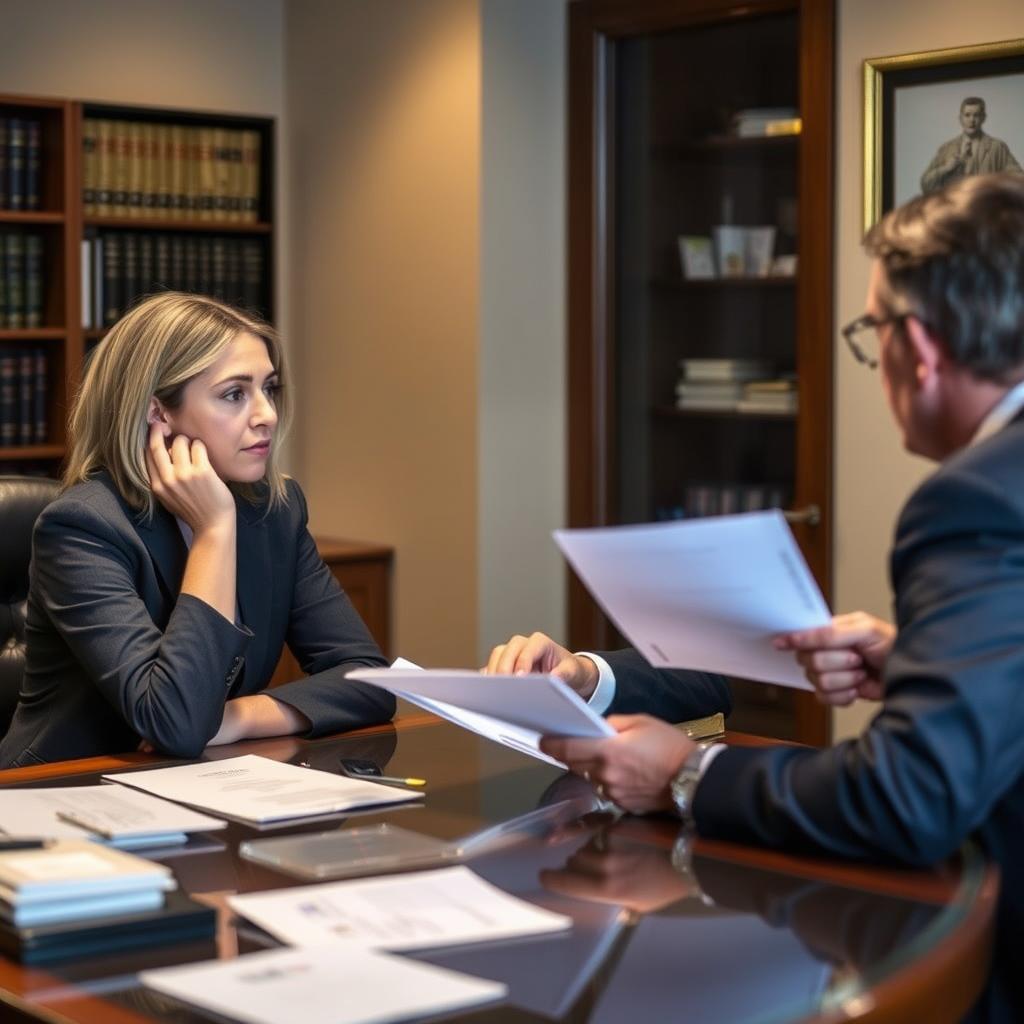
What happens at a DUI arraignment in Westchester County
A DUI arraignment in Westchester County is your first appearance in court after an arrest for driving under the influence of alcohol or drugs. The judge will read the charges against you — typically a violation of New York Vehicle and Traffic Law § 1192 — and inform you of your right to counsel. You will be asked to enter a plea; in virtually all cases, a plea of not guilty is entered at this stage to preserve your rights and allow your attorney to review the evidence. The court will also address bail or release conditions, and a future date for a pre‑trial conference or hearing will be set. The arraignment moves quickly, but what happens in that short hearing can shape the entire case. Law Offices Of SRIS, P.C. represents individuals at arraignments in courts throughout Westchester County, including White Plains, Yonkers, New Rochelle, and the town and village courts. Reach our firm at (888) 437‑7747 for a consultation. Law Offices Of SRIS, P.C. – Advocacy Without Borders.
Understanding the Westchester County DUI Arraignment Process
The arraignment is a procedural hearing, not a trial. In Westchester County, the specific court where you are arraigned depends on where the arrest occurred. Misdemeanor DWI charges are typically heard in a local city, town, or village court, while felony DWI or vehicular assault charges go to the Westchester County Court. The court will provide you with a copy of the accusatory instrument — the document that formally states the charges — and confirm that you understand the allegations.
The judge determines whether you will be released on your own recognizance, set bail, or impose non‑monetary conditions such as an order to refrain from alcohol use or to surrender your passport. If you have retained a lawyer, they can make arguments on your behalf regarding release conditions. The prosecutor may also share the initial evidence at this stage, including the breath test result, field sobriety test observations, and any video footage. An experienced defense attorney can evaluate this early information and identify potential issues with the stop, the testing procedures, or the paperwork. In New York, a DWI conviction can result in license revocation, fines, and even incarceration, so early intervention is important.
Frequently Asked Questions About DUI Arraignment in Westchester County
What is the purpose of a DUI arraignment?
The arraignment is the formal court proceeding where you are informed of the charges, advised of your rights, and asked to enter a plea. It is not the time to argue the facts of the case. The judge will also address release conditions and schedule future dates. The entire hearing often lasts only a few minutes, but it initiates the court’s jurisdiction over you and starts the clock for various procedural deadlines.
Should I have a lawyer at the arraignment?
Yes, having an attorney present at your arraignment is strongly advised because critical decisions about your release conditions and the timeline of your case are made at this stage. An attorney can argue for release without bail, request the preservation of evidence, and ensure that you do not inadvertently say anything that could be used against you later. If you cannot afford a lawyer, the court will appoint one, but a private attorney can start working on your defense immediately.
What happens if I miss my arraignment?
Missing an arraignment in Westchester County will result in the judge issuing a bench warrant for your arrest. This can lead to additional charges, bond forfeiture, and a much more difficult situation. If you realize you will be late or cannot attend, contact your attorney immediately. They may be able to appear on your behalf for some court appearances and explain the situation to the judge.
Can I plead guilty at the arraignment?
While legally possible, entering a guilty plea at arraignment is almost never recommended without first consulting an attorney. A DWI conviction in New York carries serious consequences, including a criminal record, license revocation, fines, and possible jail time. There may be defenses or procedural issues that an experienced lawyer can uncover. A not‑guilty plea preserves your rights and gives your attorney time to review the evidence thoroughly.
What is the difference between a DWI and a DWAI in New York?
Under New York Vehicle and Traffic Law § 1192, DWI (Driving While Intoxicated) is based on a blood alcohol content of .08% or higher or evidence of impairment, while DWAI (Driving While Ability Impaired) is a lesser charge involving impairment to any extent, usually based on a lower BAC or drug impairment. A DWAI is a traffic infraction, not a crime, though it still carries penalties. The specific charge influences the potential consequences and the strategy your attorney will develop.
How is bail determined at a DUI arraignment?
The judge considers factors such as your ties to the community, prior criminal record, the seriousness of the charge, and whether you pose a flight risk. For most first‑time DWI offenses in Westchester County, release on your own recognizance is common, but bail may be set if there are prior convictions or aggravating circumstances. An attorney can present information on your behalf to support non‑monetary release.
What happens after the arraignment?
After the arraignment, the case moves to the pre‑trial phase, which includes discovery, motion practice, and possible conference dates. Your attorney will request the police reports, calibration records for any breath test device, and other evidence. Motions to suppress evidence or dismiss charges may be filed. The ultimate resolution could be a trial, a plea bargain, or a dismissal of the charges, depending on the strengths and weaknesses of the prosecution’s case.
Will I lose my license immediately after a DUI arraignment?
In New York, your driver’s license can be suspended at arraignment if you refused a chemical test or if your BAC was .08% or higher. This is an administrative suspension separate from any criminal penalty, and you have a limited time to request a hearing to challenge it. An attorney can advise you on the options and deadlines for preserving your driving privileges.
About Mr. Sris and His Of Counsel Team
Mr. Sris, Owner and Founder of Law Offices Of SRIS, P.C., is a former prosecutor who has concentrated his practice on representing individuals facing criminal and traffic charges since 1997. He is admitted in New York and four other jurisdictions, giving him a multi‑state perspective that benefits clients navigating the complexities of the court system. Mr. Sris and his Of Counsel bring extensive combined legal experience to every DUI matter, working collaboratively to build a well‑prepared defense. Results may vary.
The firm’s approach to DUI arraignment in Westchester County emphasizes early intervention. Mr. Sris’s team reviews the charging documents immediately, identifies any procedural errors, and develops a strategy to protect your driving privileges and your record. From the first court appearance through trial or resolution, the firm focuses on clear communication and thorough preparation. For a consultation, reach Law Offices Of SRIS, P.C. at (888) 437‑7747.
Westchester County Supreme Court hours: Mon–Fri 9:00 AM–5:00 PM. Counsel appearing on traffic matters should plan filings accordingly.
Attorney advertising. Prior results do not guarantee a similar outcome.
Case results depend on a variety of factors unique to each case.
Results may vary.