
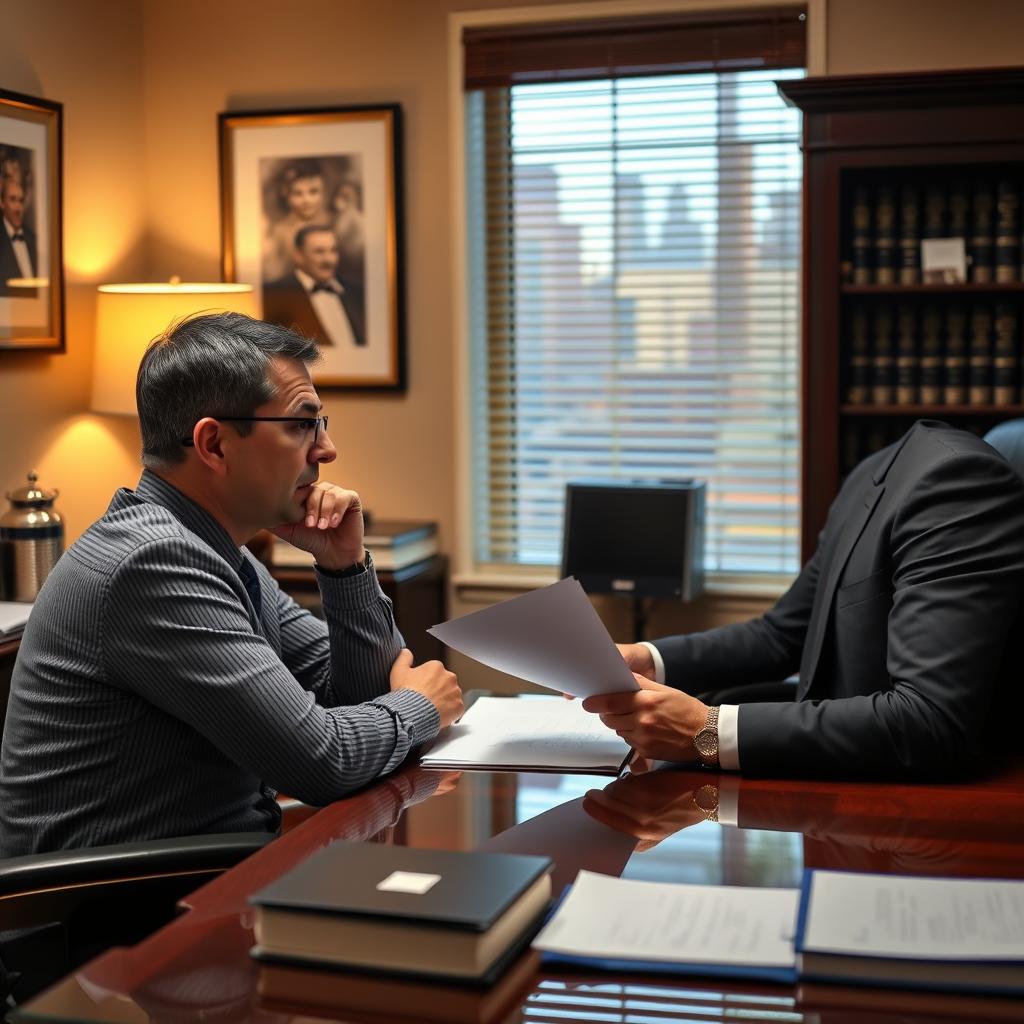
What is the penalty for a first DUI in New York
A first DUI in New York carries immediate, serious consequences. Under the New York Vehicle and Traffic Law, a first-offense driving while intoxicated (DWI) is a misdemeanor, and the penalties can include fines up to $1,000, a jail sentence of up to one year, and a mandatory six-month license revocation. Beyond the criminal penalties, the New York Department of Motor Vehicles (DMV) imposes its own administrative sanctions, including a Driver Responsibility Assessment and potential enrollment in the New York Impaired Driver Program. The specific outcome depends on the facts of your case, your blood alcohol concentration (BAC), and whether any aggravating factors were present. Because every case is different, it is important to understand the charges against you. Law Offices Of SRIS, P.C., with a New York location and an experienced former prosecutor managing the firm, represents clients facing first DUI allegations throughout the state. To discuss your situation, contact us at (888) 437-7747. Law Offices Of SRIS, P.C. – Advocacy Without Borders.
Understanding a First DUI Conviction Under New York Law
New York’s DUI laws draw a line between driving while intoxicated (DWI) under VTL § 1192(2) and driving while ability impaired by alcohol (DWAI) under VTL § 1192(1). A first DWI, where the driver’s BAC is 0.08% or higher, is a misdemeanor. The court may impose a fine between $500 and $1,000, a jail term of up to one year, and a license revocation of at least six months. The judge has discretion, and many first-offense cases resolve without incarceration, but the threat of jail time is real. For a DWAI (BAC above 0.05% but below 0.08%), the charge is a traffic infraction, not a crime, and the penalties are lower—typically a fine, a license suspension, and no criminal record. However, any alcohol-related driving offense triggers DMV points, fees, and insurance consequences. Drivers under 21 face a zero-tolerance policy under VTL § 1192-a, with a separate set of penalties. No matter the charge, if you are facing a first DUI in New York, contact us to request a consultation; the administrative deadlines to request a DMV hearing are short. Mr. Sris, a former prosecutor, understands how the prosecution assembles DUI cases and can evaluate whether your stop, sobriety tests, or chemical test results are subject to challenge.
Frequently Asked Questions
What are the specific penalties for a first DUI conviction in New York?
A first DWI conviction in New York (VTL § 1192(2)) is a misdemeanor, with a fine of $500 to $1,000, up to one year in jail, and a license revocation of at least six months. The court may also require attendance at a victim-impact panel, installation of an ignition interlock device, and completion of the Impaired Driver Program. For a DWAI conviction, penalties are less severe: a fine, a 90-day license suspension, and no criminal record. The sentencing judge considers any aggravating factors, such as an accident or a high BAC. In all cases, the DMV imposes additional fees. Because every case is different, it is important to speak with an attorney about your specific circumstances. Contact Law Offices Of SRIS, P.C. at (888) 437-7747 for guidance.
Is a first DUI a misdemeanor or felony in New York?
A first-offense DWI in New York is a misdemeanor, not a felony, unless it involves a serious injury or death. A DWI under VTL § 1192(2) is an unclassified misdemeanor, punishable by up to one year in jail. A DWAI under § 1192(1) is a traffic infraction and does not result in a criminal record. The charge becomes a felony only if you have a prior DWI conviction within the previous ten years or if the incident caused physical injury to another person (vehicular assault). A first offense alone remains a misdemeanor, but its consequences on your driving privileges, insurance rates, and employment can be significant.
Can a first DUI be reduced to a lesser charge in New York?
In many cases, a first DWI can be reduced to a DWAI (driving while ability impaired) through negotiation or by demonstrating weaknesses in the prosecution’s evidence. A DWAI is a non-criminal traffic infraction, which avoids a criminal record and typically carries lower fines and suspension periods. Whether a reduction is possible depends on the facts: a BAC near the 0.08% limit, procedural errors during the traffic stop, or issues with the breath-test machine can all support a reduction. Mr. Sris and his Of Counsel team examine the evidence thoroughly and, where appropriate, work to negotiate a favorable resolution. Results may vary.
Will I lose my license after a first DUI arrest?
Yes, a first DWI arrest triggers an administrative license suspension, and a conviction results in a revocation of at least six months. At arraignment, the court will suspend your license pending prosecution unless you win a hearing before the DMV. The DMV hearing is separate from the criminal case and must be requested promptly. If you lose at the DMV, your license remains suspended until the case is resolved. Upon conviction, the license is revoked for six months, and you must complete the Impaired Driver Program to regain driving privileges. Drivers who refuse a chemical test face a one-year revocation for a first refusal.
What is the difference between DWI and DWAI in New York?
The main difference is that DWI (driving while intoxicated) is a crime, while DWAI (driving while ability impaired) is a traffic infraction and not a crime. DWI requires a BAC of 0.08% or higher, or evidence of impairment by alcohol or drugs. DWAI-Alcohol applies when a driver’s BAC is above 0.05% but below 0.08% and their ability to drive is impaired. A DWAI conviction does not create a criminal record, while a DWI conviction does. However, both carry license sanctions, DMV points, and insurance consequences. The practical impact of avoiding a criminal record is substantial for employment, professional licensing, and immigration purposes.
Do I need to install an ignition interlock device after a first DUI?
Yes, New York requires an ignition interlock device for at least six months after a first DWI conviction, even if no jail time is imposed. The device must be installed on any vehicle you own or operate, and you bear the cost of installation and monthly monitoring. Under Leandra’s Law, the interlock requirement applies to all DWI convictions, including first offenses. The device prevents the car from starting if it detects alcohol on your breath. For a first DWAI conviction, an interlock is not mandatory but may be ordered by the court. Failure to comply with interlock requirements can extend the revocation period.
How much does a first DUI affect my insurance?
A first DUI in New York leads to a significant increase in auto insurance premiums—often doubling or tripling the cost—and may result in the insurer canceling or nonrenewing your policy. New York law permits insurers to use a DWI or DWAI conviction as a basis for surcharge or nonrenewal for several years. The conviction remains on your motor vehicle record for ten years, and insurance companies review this history. After a DWI, you may need to obtain high-risk SR-22 coverage to reinstate your license. The exact premium increase varies by carrier and your driving history, but the financial impact is substantial. Consulting a lawyer to explore possible reductions can help mitigate the long-term consequences.
What happens if I refuse a breath test in New York?
Refusing a chemical test after a lawful arrest for DUI triggers an automatic license revocation for one year (first refusal), separate from any criminal penalty. New York’s implied consent law (VTL § 1194) requires drivers to submit to a breath, blood, or urine test when under arrest for DWI. The refusal itself is treated as a violation and is prosecuted at a DMV administrative hearing. In addition to the one-year revocation, the refusal can be used as evidence against you in the criminal case. Commercial drivers face an 18-month disqualification for a first refusal. Because the consequences are severe, it is important to consult a lawyer before making any decision about testing.
Can an out-of-state driver face different penalties for a first DUI in New York?
An out-of-state driver convicted of DWI in New York faces the same criminal penalties as a resident, but license consequences are handled differently. The New York court can impose fines, jail, and a New York license revocation, which is reported to the driver’s home state. The home state’s DMV will usually impose its own suspension or revocation based on the New York conviction, under the Driver License Compact. This can leave you with a suspension in two states. Additionally, you may need to complete New York programs before your driving privilege is restored, which can pose a logistical challenge if you live far away. It is wise to address the matter with a New York attorney who can advise you on both the local case and the likely home-state response.
Should I hire a lawyer for a first DUI in New York?
While you are not legally required to hire a lawyer, having experienced counsel is strongly recommended for a first DUI charge. A misdemeanor DWI conviction carries the possibility of jail, a permanent criminal record, and a six-month license revocation. A lawyer can identify whether the police had a valid reason for the stop, whether field sobriety tests were administered correctly, and whether the breath-test machine was properly calibrated. Even if the evidence is strong, counsel can negotiate for a reduced charge (e.g., DWAI) and structure a sentence that addresses the court’s concerns while minimizing disruption to your life. Mr. Sris, a former prosecutor, brings a unique perspective on how the state builds its case. To discuss your options, contact Law Offices Of SRIS, P.C. at (888) 437-7747.
What is the Driver Responsibility Assessment in New York?
The Driver Responsibility Assessment is an additional DMV fee imposed on drivers convicted of an alcohol- or drug-related driving offense, separate from court-imposed fines. For a DWI conviction, the assessment is $250 per year for three years, totaling $750. For a DWAI, the assessment is $250 per year for three years as well. The DMV bills you directly after the conviction. Failure to pay the assessment results in a license suspension. This fee is in addition to any fines, surcharges, and the cost of the Impaired Driver Program. The total financial burden of a first DUI can easily exceed several thousand dollars, which underscores the importance of securing competent representation.
How long does a first DUI stay on my record in New York?
A first DWI conviction remains on your New York driving record for ten years, while a DWAI remains for ten years as well, though a DWAI is not a criminal conviction. The conviction may also appear on a criminal background check and can affect employment, professional licensing, and housing applications. There is no mechanism in New York to expunge a DWI conviction; it is permanent as a criminal record unless sealed under narrow circumstances. The ten-year lookback period for a subsequent DWI offense means a second alcohol-related conviction during that window will be charged as a felony. Understanding these long-term effects is crucial before entering any plea. Speak with an attorney about the potential immigration, employment, and licensing consequences of a DUI conviction.
About Mr. Sris and His Of Counsel Team
Mr. Sris is an Owner and Founder of Law Offices Of SRIS, P.C., a firm that has served clients since 1997. As a former prosecutor, he understands how the state assembles a DUI case and uses that insight to build a thorough defense for each client. The firm’s Of Counsel attorneys bring extensive collective experience across multiple practice areas, including traffic defense, criminal law, and administrative hearings. Together, Mr. Sris and his Of Counsel team appear in New York courts and at DMV administrative proceedings for clients facing first DUI charges. The firm’s New York location allows the team to handle matters across the state, from the five boroughs to upstate counties. For a consultation about a first DUI, call (888) 437-7747.
Attorney advertising. Prior results do not guarantee a similar outcome.
Case results depend on a variety of factors unique to each case.
Results may vary.