
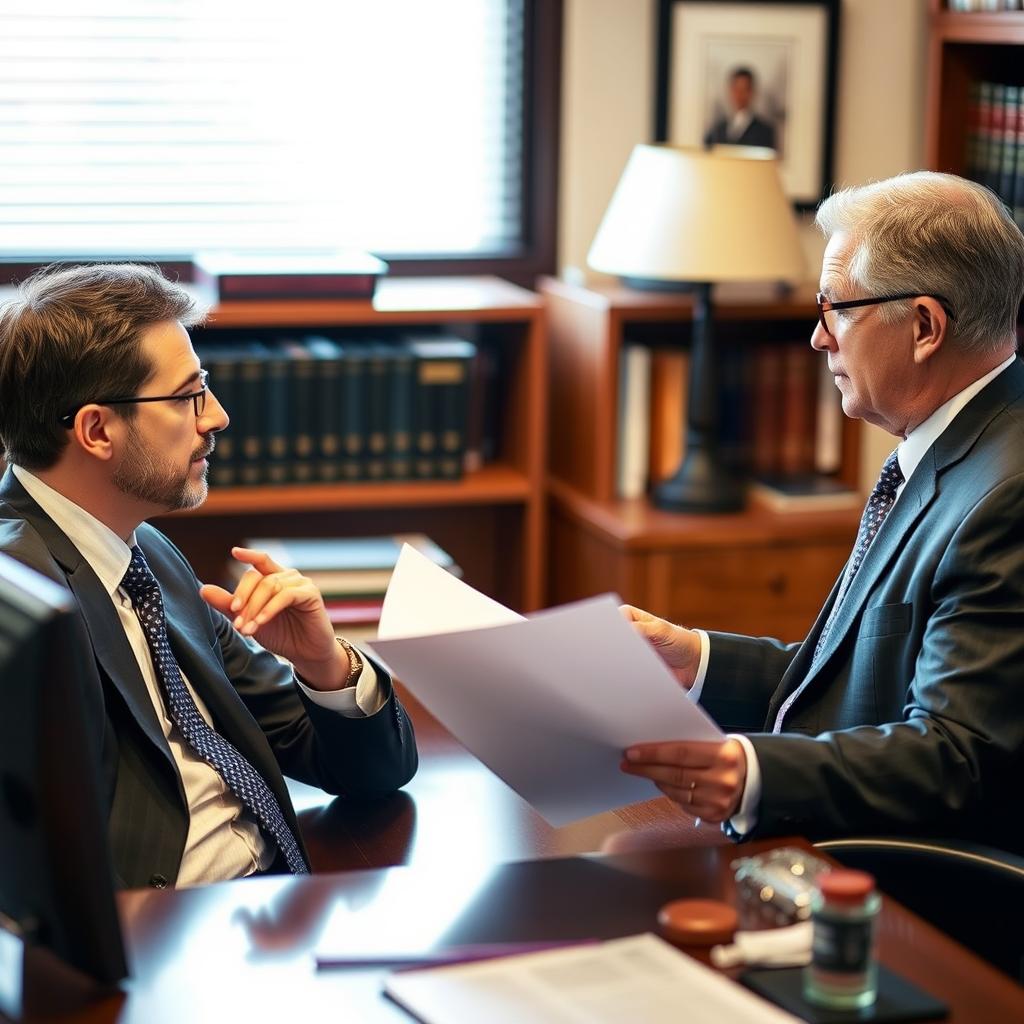
Repeat DWI Lawyer Westchester County, NY
Facing a repeat driving while intoxicated (DWI) charge in Westchester County is an experience that carries life‑altering stakes. Under New York law, a second or subsequent DWI within a ten‑year window is no longer a traffic infraction—it is a felony‑level criminal offense. The courts in White Plains, Yonkers, and throughout the Hudson Valley treat repeat alcohol‑related driving charges with heightened scrutiny. The potential consequences include a permanent criminal record, the loss of driving privileges, and the possibility of state‑prison time. At Law Offices Of SRIS, P.C., Mr. Sris and his Of Counsel bring decades of combined experience to the defense of individuals charged with felony DWI in Westchester County. Our practice concentrates on the New York Vehicle and Traffic Law, and we understand how a multi‑agency arrest—involving local police, the District Attorney’s office, and the Westchester County Supreme Court—unfolds. If you have a prior DWI conviction and are now facing a new charge, an early consultation can make a material difference. Reach our location at (888) 437‑7747 to discuss the matter with a member of our team. Law Offices Of SRIS, P.C. — Advocacy Without Borders.
What Repeat DWI Means in Westchester County
New York classifies a driving‑while‑intoxicated offense as a felony when the driver has a prior DWI‑related conviction within the preceding ten years. That prior offense may have arisen under N.Y. Vehicle and Traffic Law § 1192—the statute that defines DWI, aggravated DWI, and driving while ability impaired by alcohol or drugs. A repeat DWI is typically charged as a Class E felony, although the degree can escalate if there are multiple prior convictions or if the current incident involves an accident with injury or a child passenger. The felony classification moves the case out of the local justice courts and into the general‑jurisdiction criminal court: the Westchester County Supreme Court hears indictable felony matters, while the Westchester County Court handles many felony dispositions. Because a felony conviction carries the potential for incarceration in a New York State correctional facility, the stakes are dramatically higher than those of a first‑offense misdemeanor.
The Hudson Valley’s geography—commuter corridors such as I‑87, the Saw Mill River Parkway, and Route 9—means that many repeat‑DWI arrests in Westchester County occur during late‑night saturation patrols or sobriety checkpoints. Law enforcement agencies in White Plains, Yonkers, Mount Vernon, New Rochelle, and the State Police coordinate enforcement efforts, and chemical‑test evidence is often central to the prosecution’s case. A prior DWI conviction also triggers administrative consequences through the New York DMV, including a mandatory revocation of driving privileges and an enhanced driver‑responsibility assessment. The interplay between the criminal court proceeding and the administrative suspension requires a coordinated defense strategy that addresses both fronts. Mr. Sris and his Of Counsel are familiar with the procedural rhythms of the Westchester County criminal calendar and the expectations of the District Attorney’s office in cases where the defendant has a prior alcohol‑related conviction.
How Mr. Sris and His Of Counsel Handle Repeat DWI Cases
Every felony DWI case begins with a careful review of the traffic stop and the grounds for probable cause. Our team examines whether the officer had reasonable suspicion to initiate the stop, whether field‑sobriety tests were administered in substantial compliance with standard protocols, and whether any chemical test—breath, blood, or urine—was conducted in a manner that meets the foundational requirements of the New York Vehicle and Traffic Law. When a prior DWI conviction supplies the predicate for the felony charge, we also scrutinize the validity of that earlier plea and the constitutional waiver of rights. A flaw in the prior judgment may support a motion to dismiss or to reduce the charge to a misdemeanor.
Once the facts are fully developed, Mr. Sris and his Of Counsel work with the client to evaluate the available options. In many cases the goal is to negotiate a plea that avoids a felony conviction and limits the collateral damage to employment, professional licensing, and immigration status. If the evidence supports it, we prepare for trial, advancing legal challenges to the admissibility of chemical‑test results and cross‑examining the arresting officers on inconsistencies in their testimony. Throughout the process we keep the client informed of each stage, from the initial arraignment in the local justice court through any grand‑jury presentation or felony‑conference calendar in the Westchester County Supreme Court. A felony charge demands a defense built on thorough preparation, and that is the standard we bring to every repeat‑DWI engagement.
About Mr. Sris and His Of Counsel Team
Mr. Sris, Owner and Founder of Law Offices Of SRIS, P.C., is a former prosecutor who founded the firm in 1997. He is admitted to practice in Virginia, Maryland, the District of Columbia, New Jersey, and New York. Mr. Sris testified before the Virginia House Courts of Justice Committee in support of 2019 HB 635 (chief patron Del. David Bulova). His background provides a practical understanding of how the government builds a DWI case and where the weaknesses often reside. Mr. Sris is joined by a team of Of Counsel attorneys who bring over 120 years of combined legal experience, with 4,739+ documented firm-wide results. Results may vary. In any individual case.
Frequently Asked Questions
What is a repeat DWI in New York?
A repeat DWI is a felony‑level charge that applies when a person has a prior DWI‑related conviction within the preceding ten years. Under New York Vehicle and Traffic Law § 1192, a second DWI within the look‑back period is typically charged as a Class E felony. The prior conviction may have been for DWI, aggravated DWI, or a drug‑impaired offense. The felony classification brings more severe sentencing exposure, a mandatory minimum period of license revocation, and long‑term consequences for employment and immigration. If you have a prior alcohol‑related driving conviction, the new charge must be handled with the seriousness that a felony demands.
Will I go to jail for a second DWI in Westchester County?
A repeat DWI conviction carries the possibility of incarceration, but the outcome depends on the specific facts and the strength of your legal defense. New York law does not mandate a minimum jail term for every Class E felony DWI, yet a judge may impose a sentence that includes incarceration. The actual sentence is influenced by factors such as the driver’s blood‑alcohol concentration, whether there was an accident, the defendant’s criminal history, and the quality of the plea negotiation or trial presentation. An experienced defense lawyer can identify statutory and case‑law arguments that may persuade the court to impose an alternative to incarceration.
Can a repeat DWI charge be reduced?
Yes, a repeat DWI charge may be reduced to a misdemeanor or lesser traffic offense when the evidence or procedural circumstances support a negotiation. The prosecution must prove the prior conviction as an element of the felony charge. If the prior plea was constitutionally infirm—for example, if the defendant was not advised of the rights being waived—the predicate may be challenged. Additionally, if the chemical‑test evidence is unreliable or the stop lacked reasonable suspicion, the District Attorney may agree to a reduction. Mr. Sris and his Of Counsel evaluate each case for these opportunities.
Do I need a lawyer for a repeat DWI in Westchester County?
Yes—given that a repeat DWI is a felony charge with the potential for incarceration and a permanent criminal record, retaining an experienced defense attorney is essential. The Westchester County District Attorney’s office assigns experienced prosecutors to felony‑DWI cases, and the procedural landscape is complex. An attorney can move to suppress evidence, challenge the prior‑conviction predicate, and negotiate with the prosecution. Without counsel, an individual may unknowingly waive important procedural rights or accept an unfavorable plea. Early involvement of a lawyer also helps to coordinate with the DMV administrative‑suspension process.
How does the court process work for a felony DWI in Westchester County?
The felony DWI process in Westchester County begins with an arraignment in the local justice court of the town or city where the arrest occurred, after which the case may be presented to a grand jury for indictment. If the grand jury returns an indictment, the case is transferred to the Westchester County Supreme Court for further proceedings. At each stage—arraignment, preliminary hearing, conference appearances—the defense can raise legal motions and engage in plea discussions. The timeline varies by the court’s docket and the complexity of the evidence. Mr. Sris and his Of Counsel guide clients through every step of this process.
What should I do if I am arrested for repeat DWI in Westchester County?
Exercise your right to remain silent, do not discuss the facts of your case with law enforcement, and contact a lawyer as soon as possible. Anything you say during the stop or at the police station can be used against you. Request to speak with an attorney, and do not consent to any search beyond what is required by law. Preserve any documentation you received, including the appearance ticket and chemical‑test results. Prompt legal intervention can help secure your release on reasonable conditions and begin the investigation of the stop and arrest while evidence is fresh.
Also serving: New York County (Manhattan), Kings County (Brooklyn), Queens County, Richmond County (Staten Island), Nassau County (Long Island).
Primary sources: New York Vehicle and Traffic Law · New York State Unified Court System · New York DMV.
Attorney advertising. Prior results do not guarantee a similar outcome. Case results depend on a variety of factors unique to each case. Results may vary.